subject
Best Film Looks for Portraits
Emulsions that keep skin flattering: low contrast, forgiving highlights, restrained reds.
A portrait film has one hard job — render skin so that it looks like skin. That means keeping saturation off the reds and oranges, holding highlights long enough that a lit cheek does not blow out, and avoiding the green casts that make people look ill. Colour negative films dominate here because their latitude is enormous; slide films mostly do not, with Astia the deliberate exception.
Preview these on your own photo →
28 looks in this selection
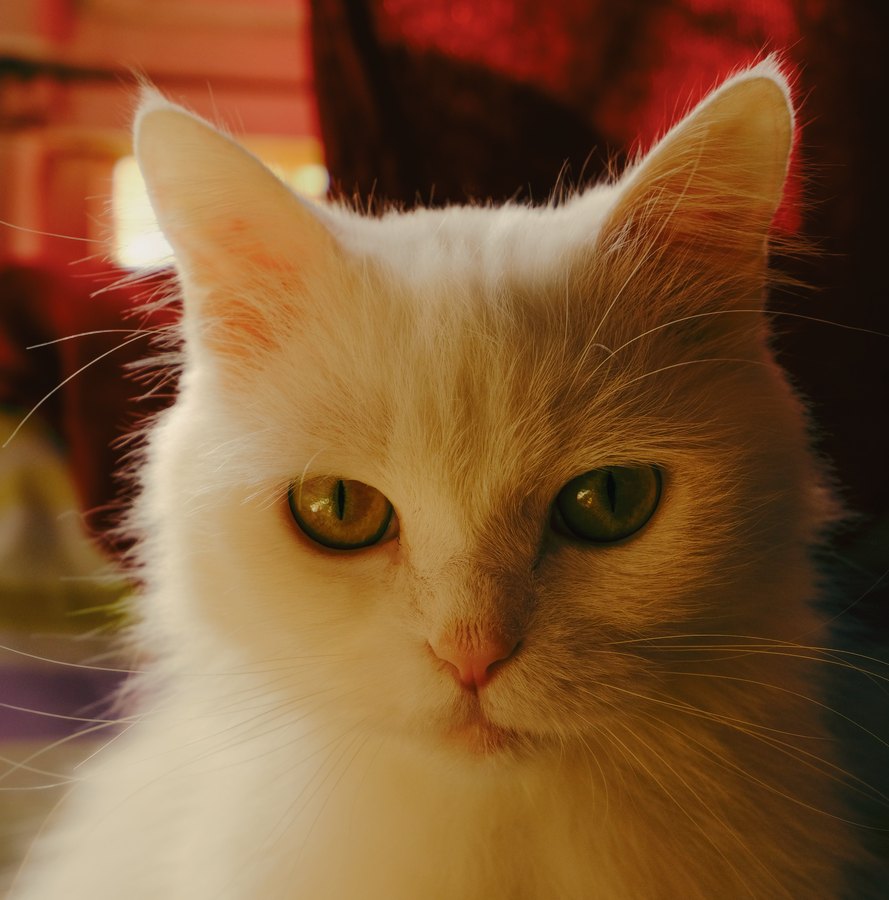
Fuji 400H
The discontinued cult wedding film: cool, minty greens and pale, airy skin.
4 renderings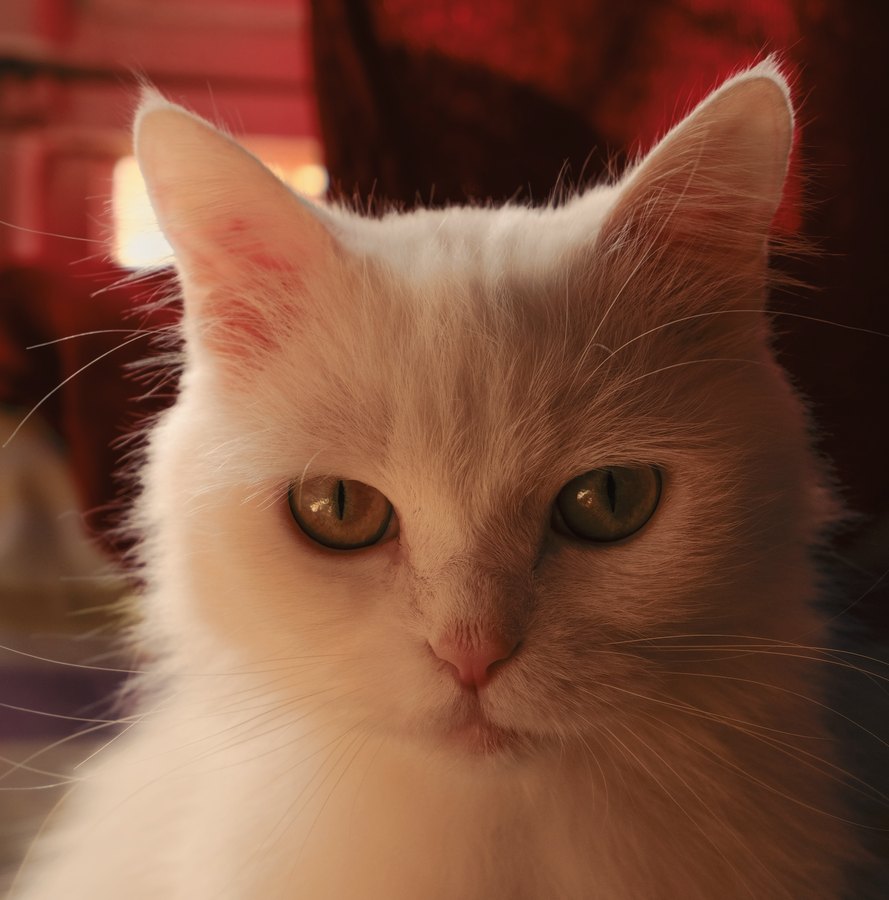
Fuji Astia 100F
The soft slide film — made specifically so slide contrast would not destroy skin.
2 renderings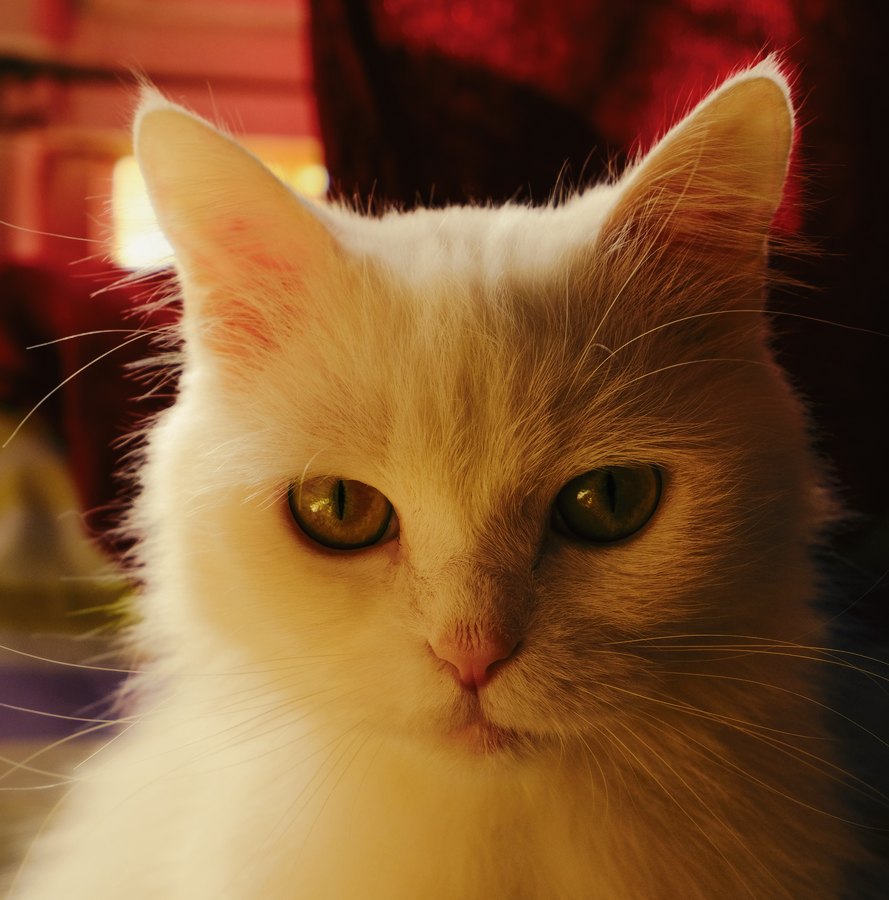
Fuji FP-100C
The last peel-apart colour film in production — cooler and cleaner than Polaroid's.
21 renderings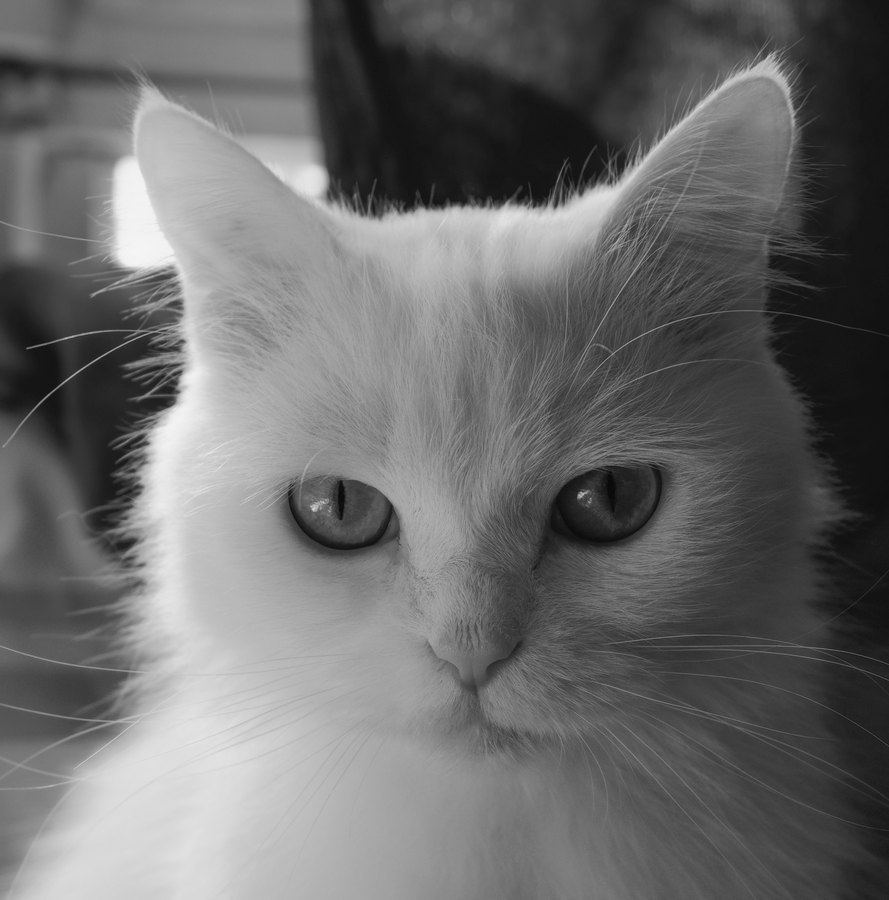
Fuji FP-3000B
Very fast peel-apart black and white film with striking contrast.
14 renderings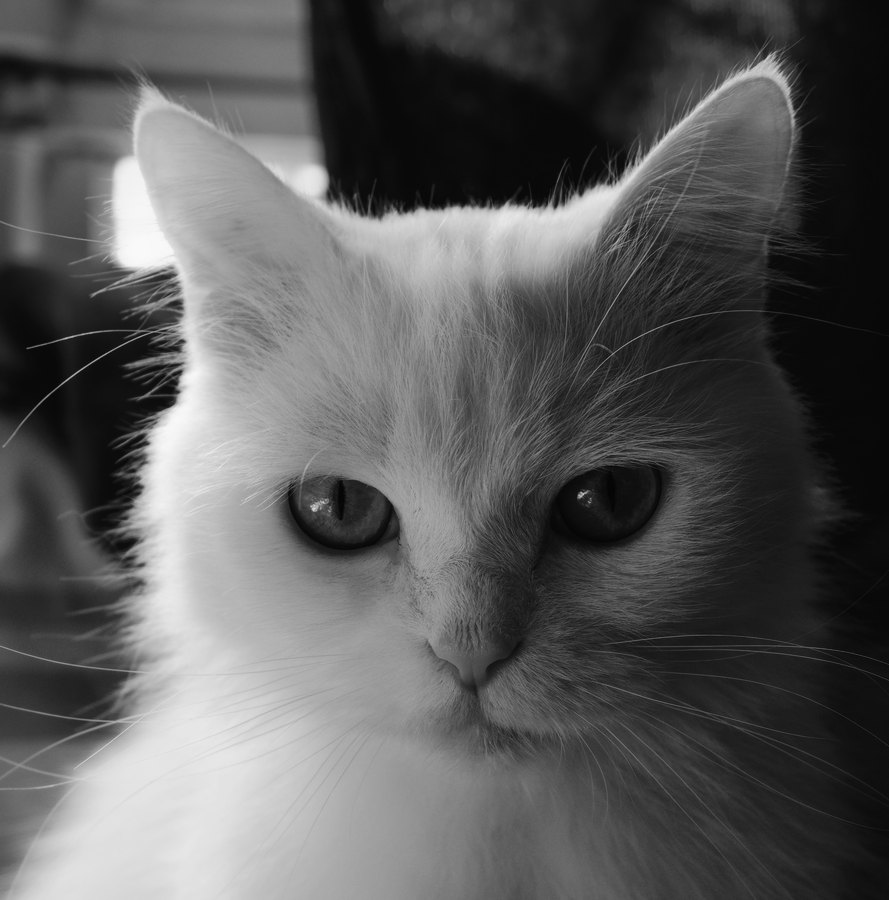
Fuji X-Trans III Acros
Fujifilm's premium monochrome simulation, with optional colour filters.
4 renderings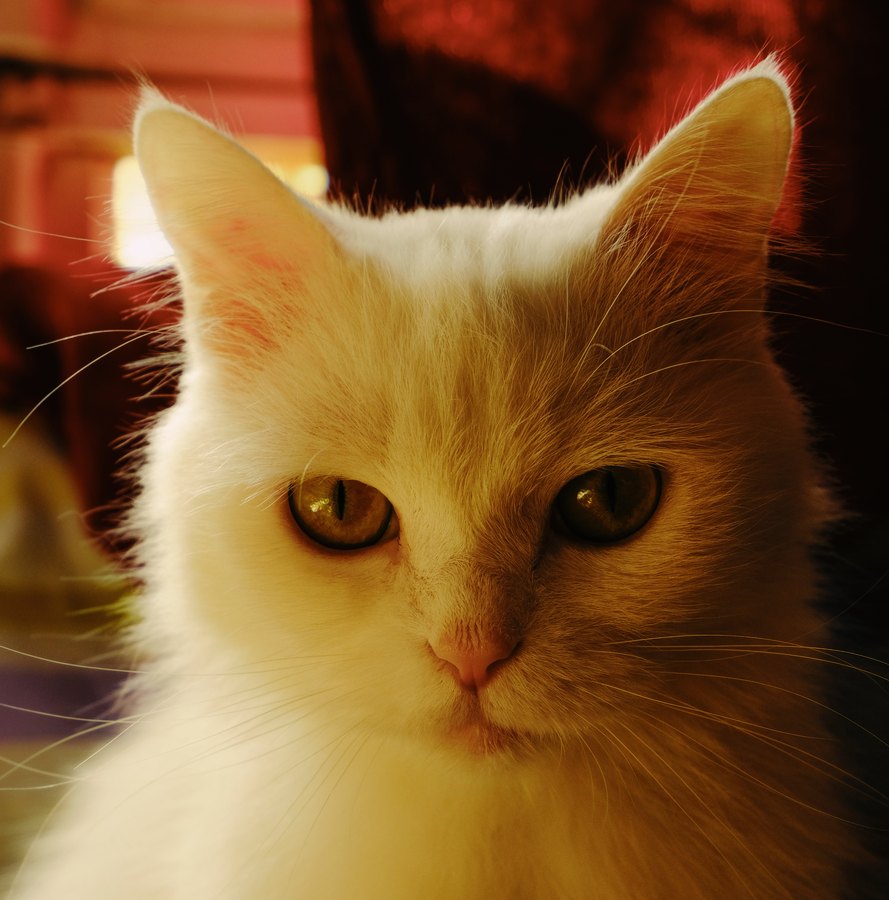
Fuji X-Trans III Astia
The soft simulation, modelled on Astia — gentle contrast for portraits.
1 rendering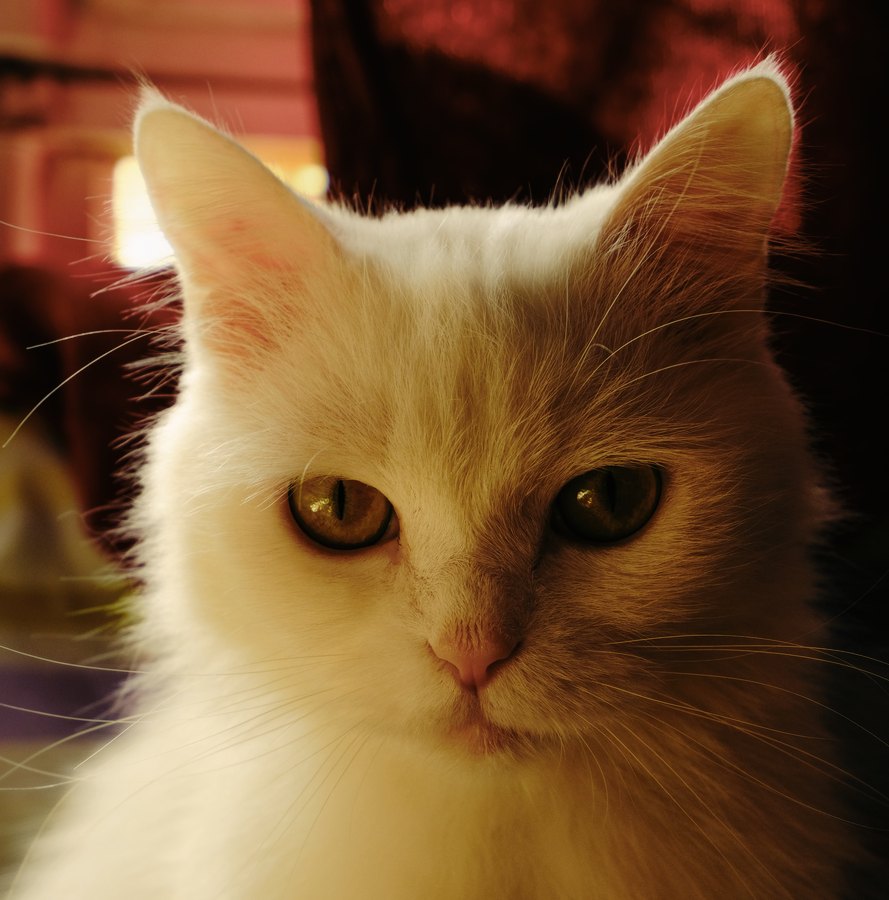
Fuji X-Trans III Pro Neg Hi
The higher-contrast Pro Neg variant for location portraiture.
1 rendering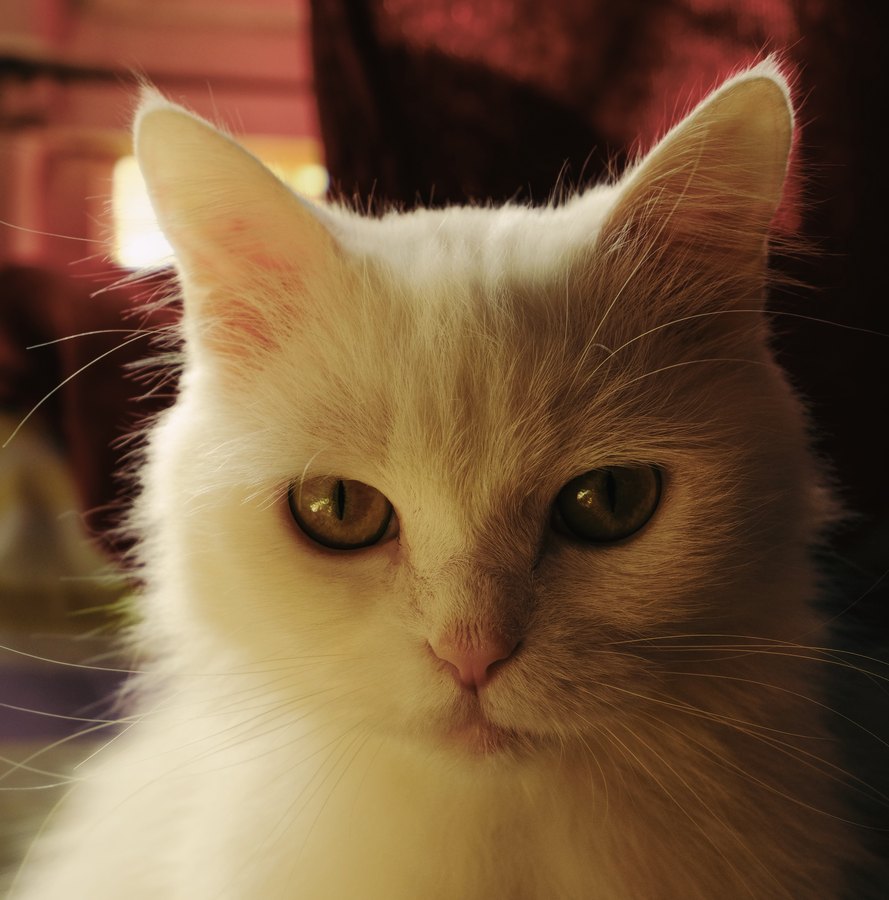
Fuji X-Trans III Pro Neg Std
A flat, neutral simulation modelled on professional portrait negative film.
1 rendering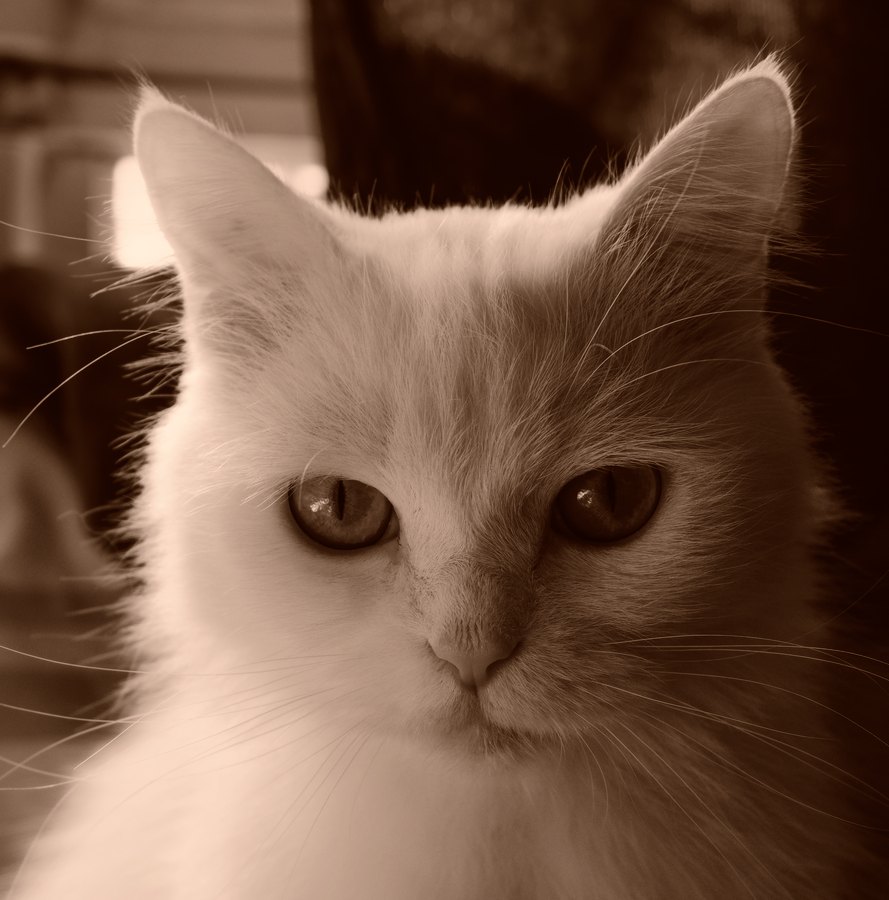
Fuji X-Trans III Sepia
A toned monochrome simulation with a warm brown cast.
1 rendering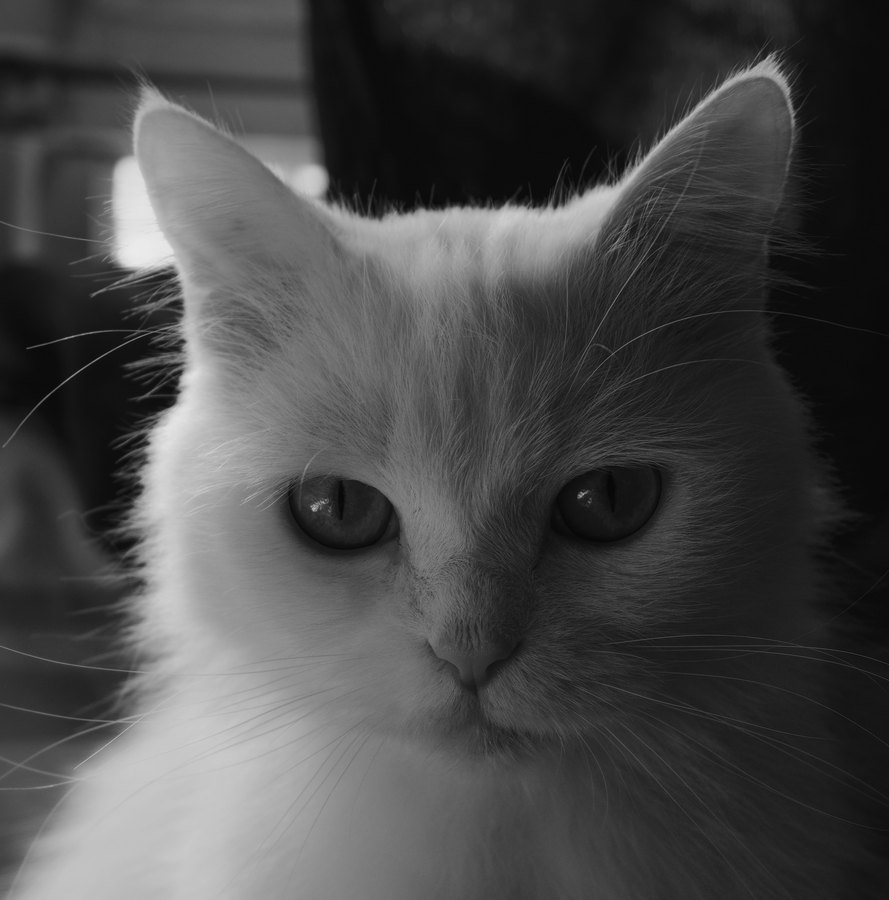
Ilford Delta 400
Tabular-grain 400 from Ilford: cleaner than HP5, warmer than T-Max.
1 rendering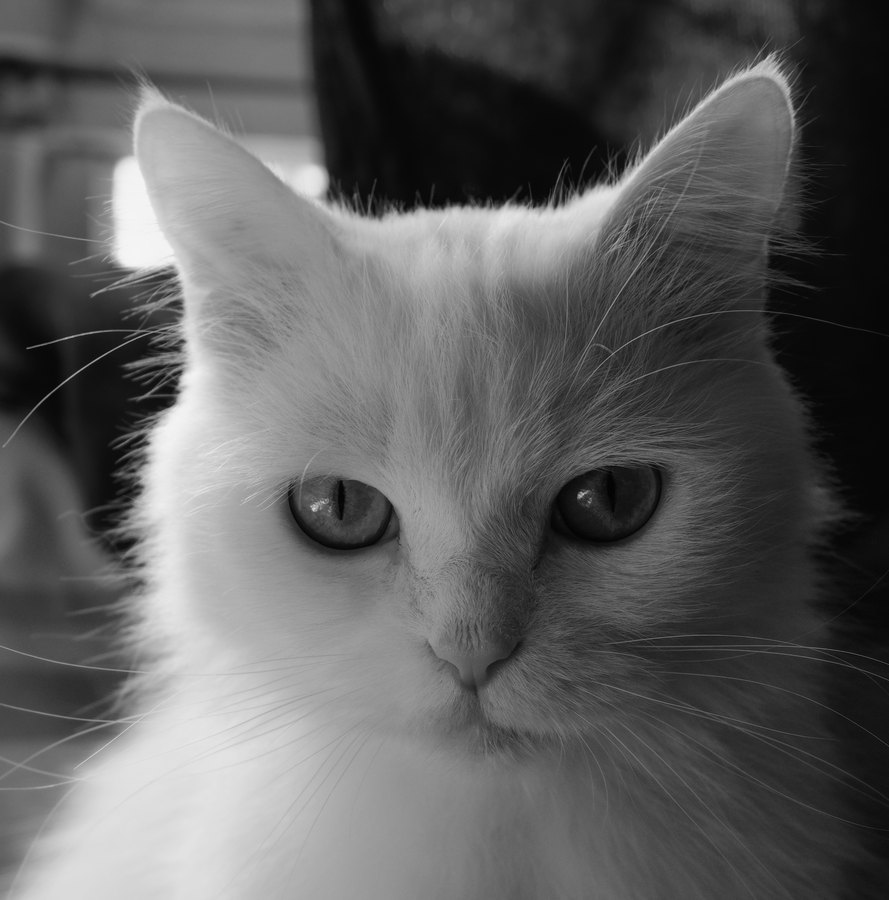
Ilford HP5 Plus 400
Tri-X's British counterpart — flatter, softer and easier to print.
5 renderings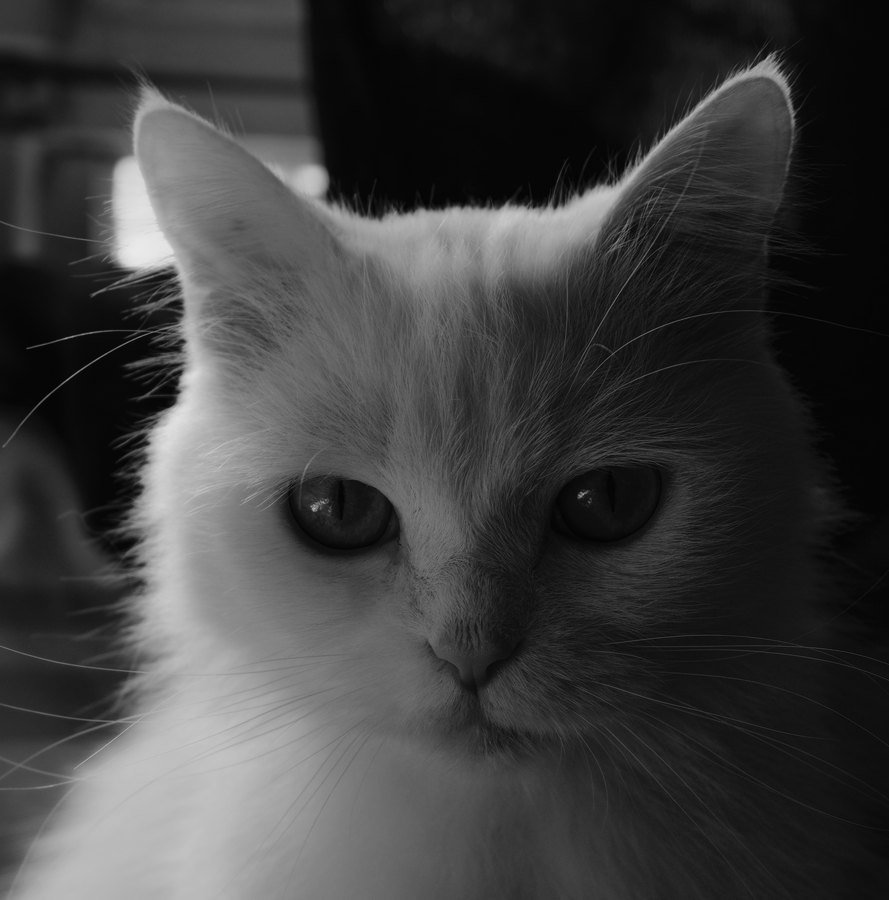
Ilford XP2
Black and white film developed in colour C-41 chemistry — unusually smooth and flat.
1 rendering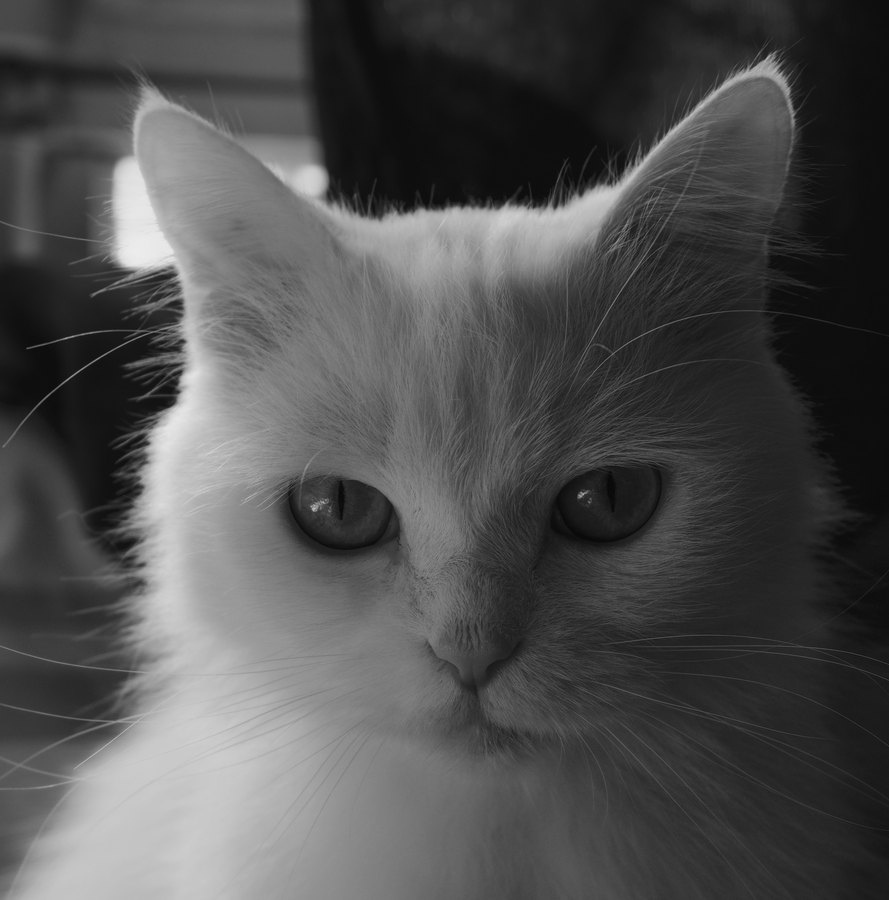
Kodak BW400CN
Kodak's chromogenic black and white film, with a warm sepia-leaning base.
1 rendering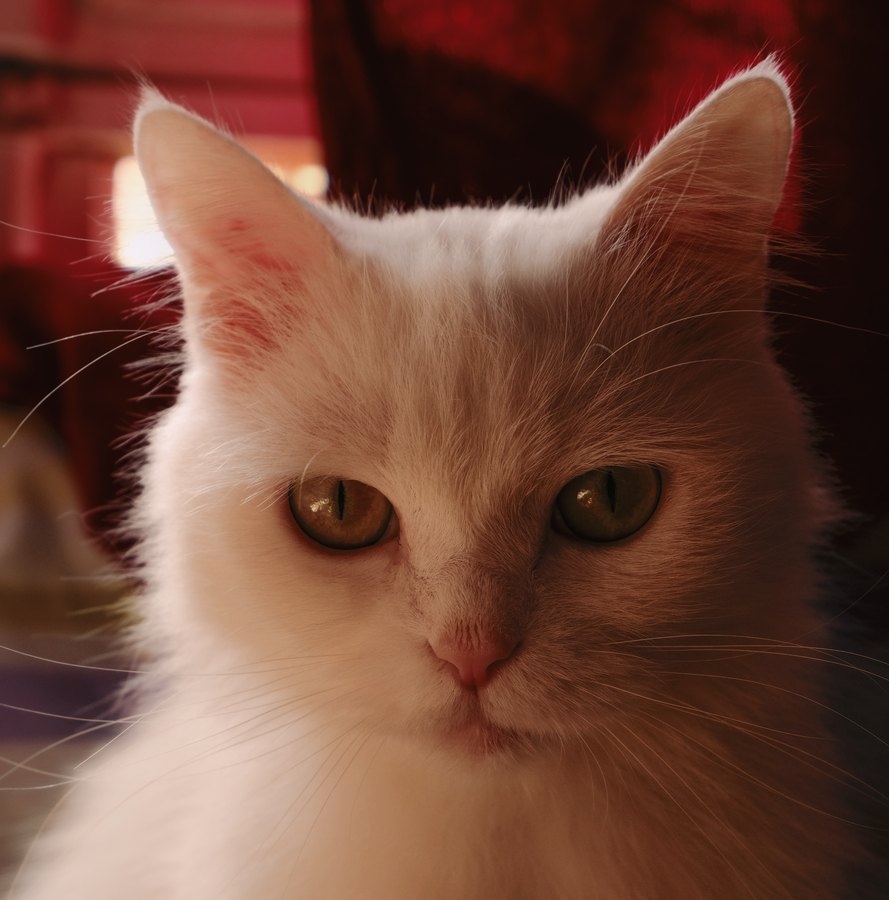
Kodak E100GX
Warm-balanced Ektachrome, made for portraits and skin under transparency contrast.
1 rendering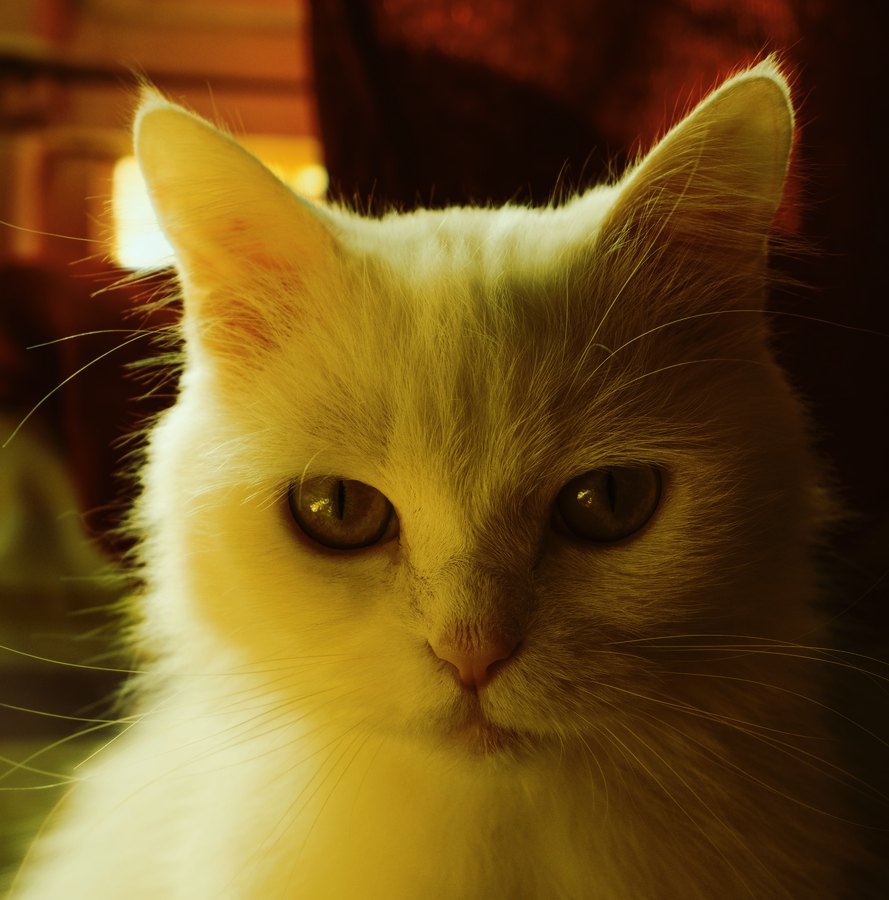
Kodak Elite 100 X-Pro
Elite Chrome cross-processed in C-41 — shifted, clashing colour by design.
1 rendering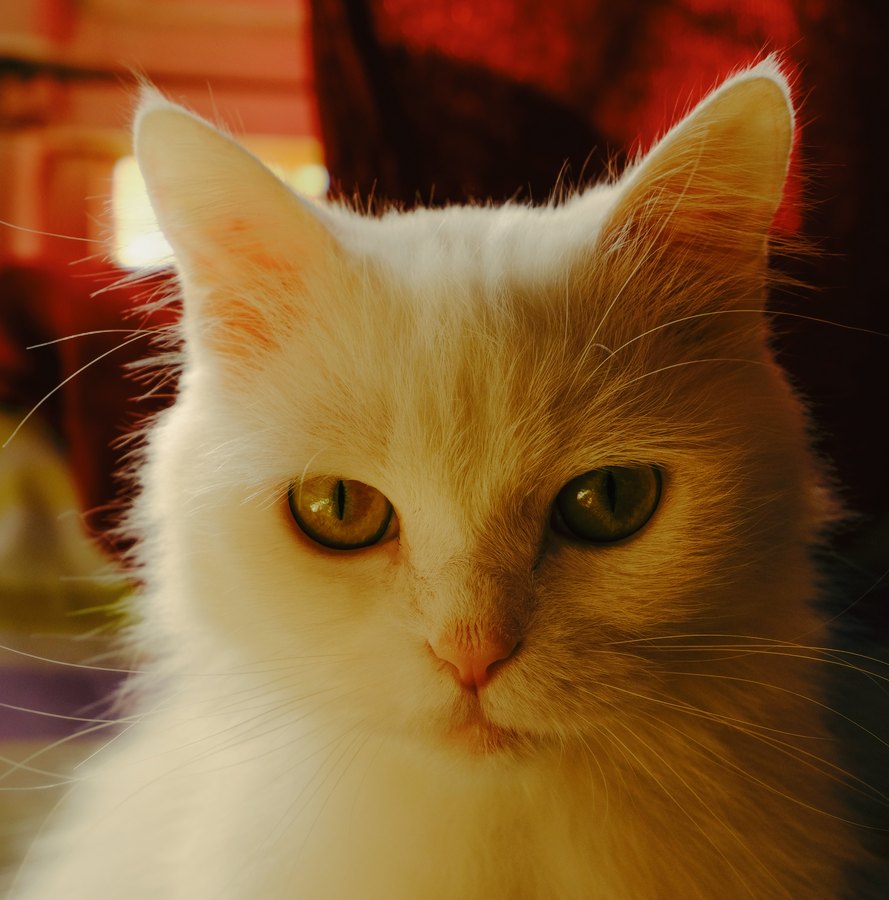
Kodak Portra 160
The finest-grained Portra: cooler, flatter and more neutral than its 400-speed sibling.
14 renderings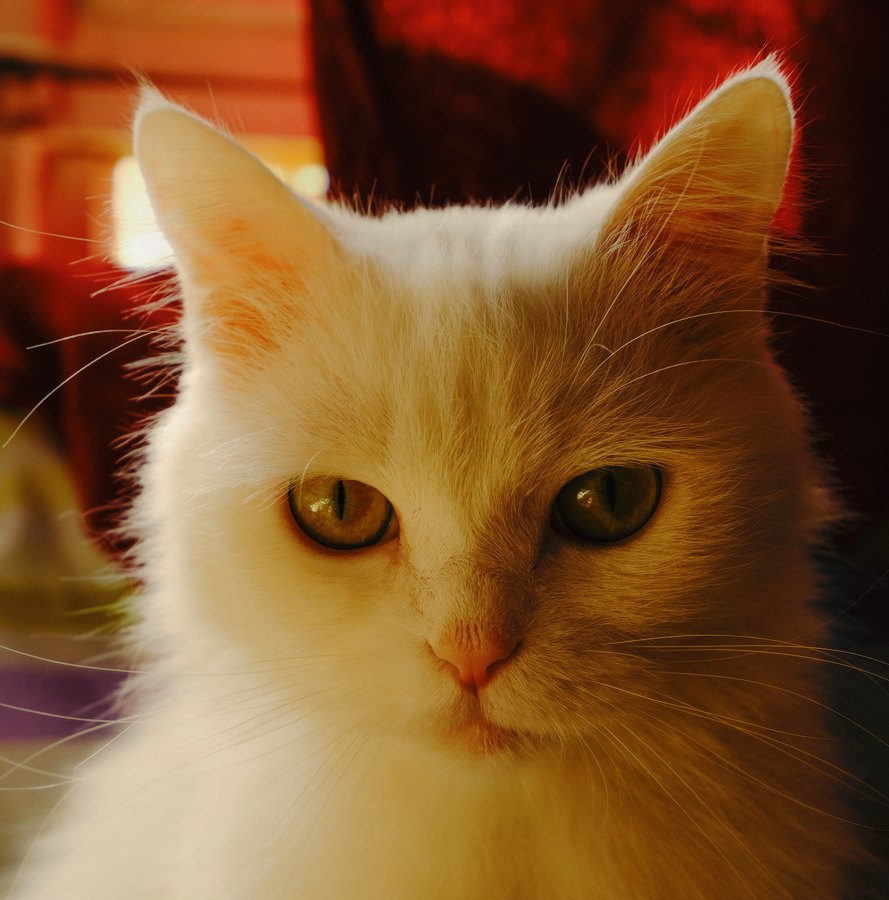
Kodak Portra 400
The default modern portrait film: warm, forgiving skin tones and a very long highlight roll-off.
16 renderings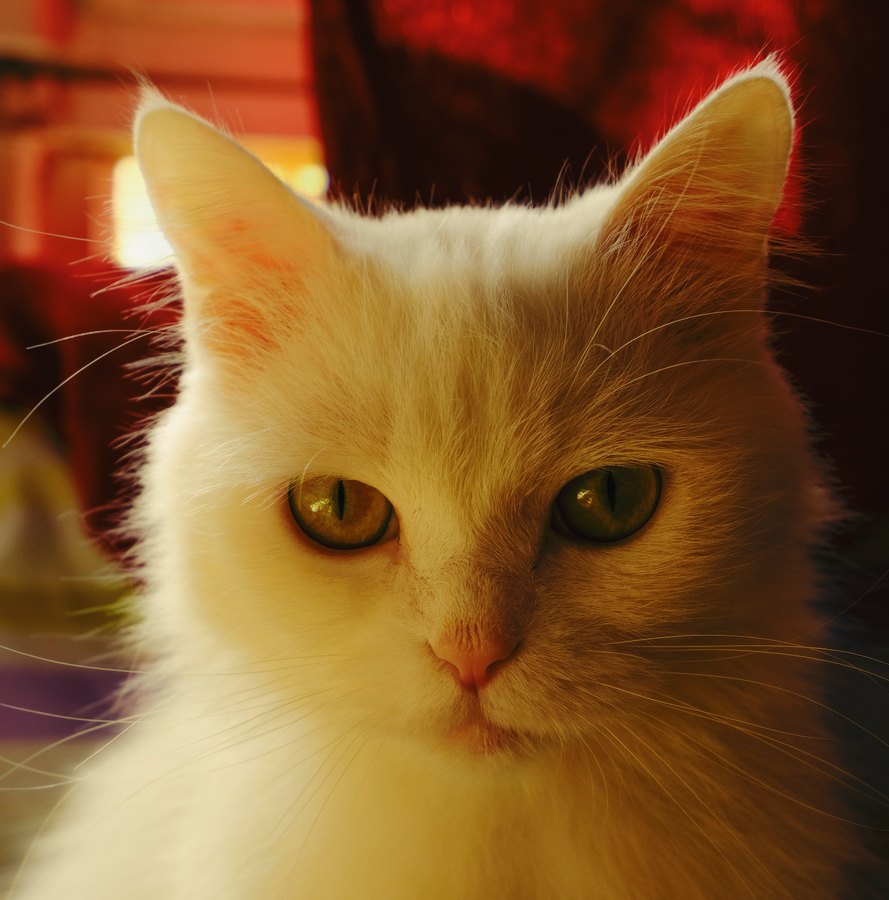
Kodak Portra 800
Portra colour rendering at ISO 800, with more contrast and visible grain.
5 renderings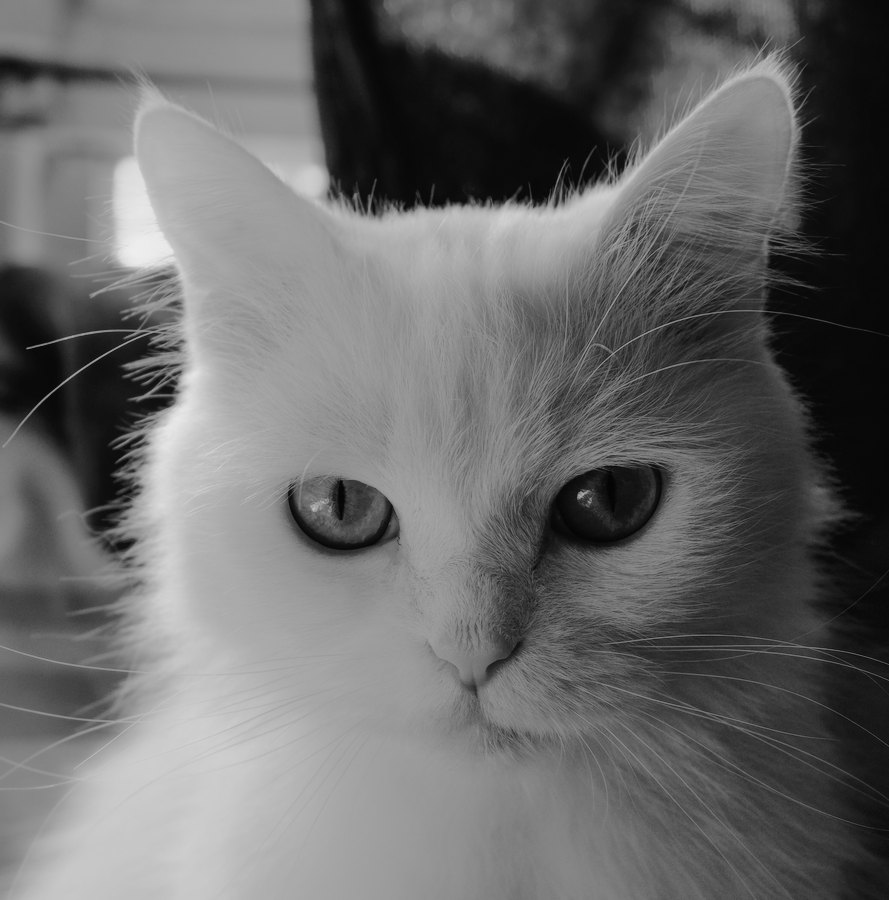
Polaroid 664
Peel-apart black and white pack film with medium contrast.
1 rendering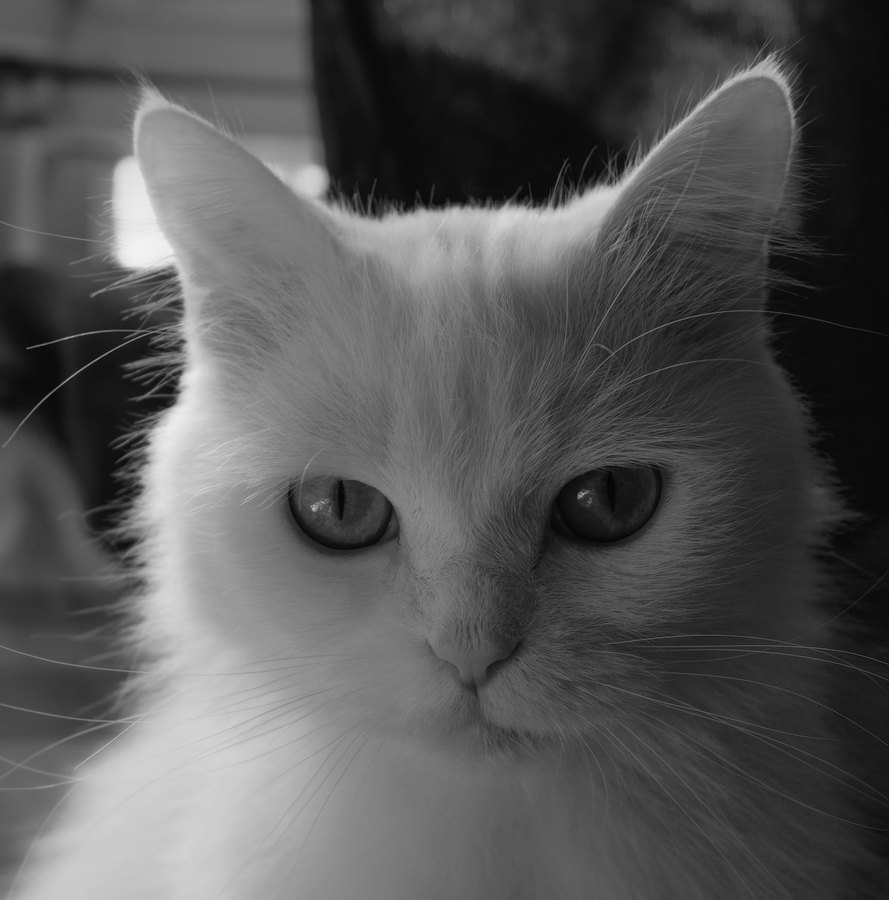
Polaroid 665
Peel-apart black and white film that produced a usable negative as well as a print.
9 renderings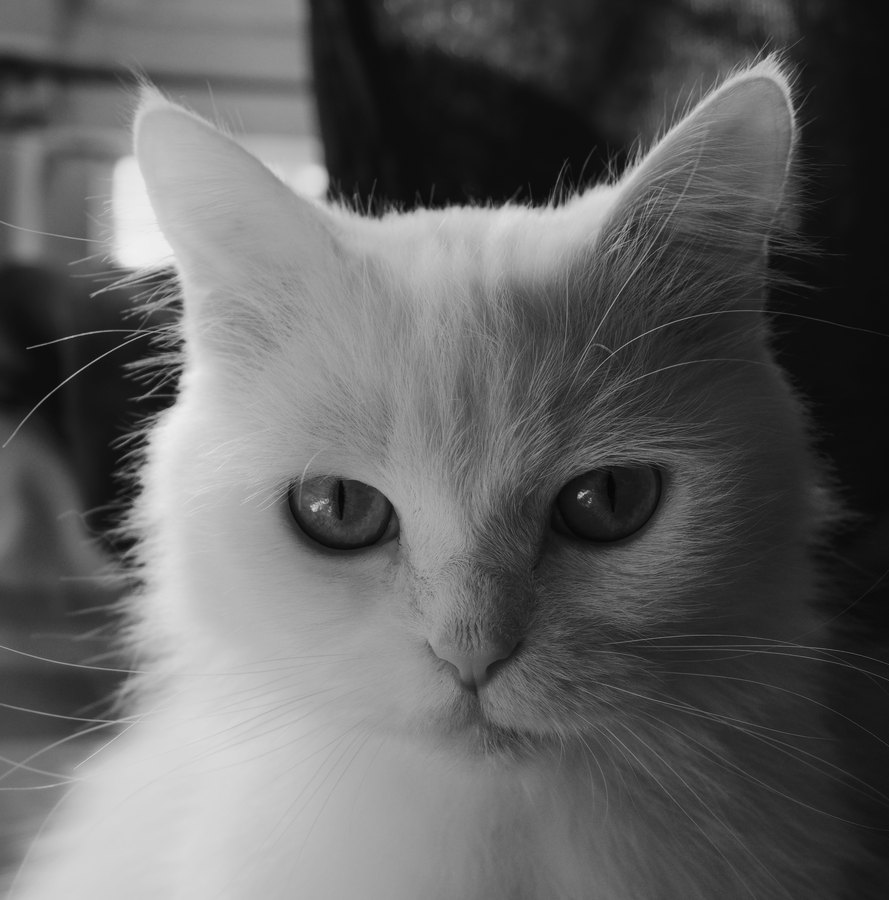
Polaroid 667
The very fast peel-apart black and white film used for lighting tests.
1 rendering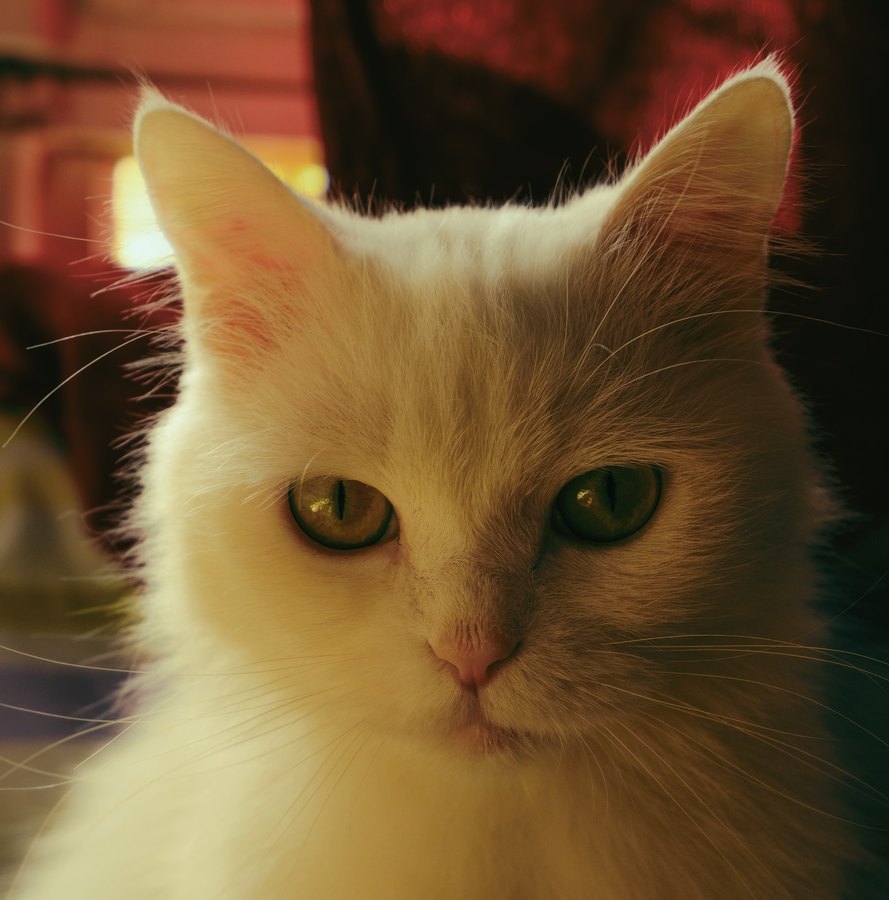
Polaroid 669
The standard professional peel-apart colour film — the classic Polaroid palette.
11 renderings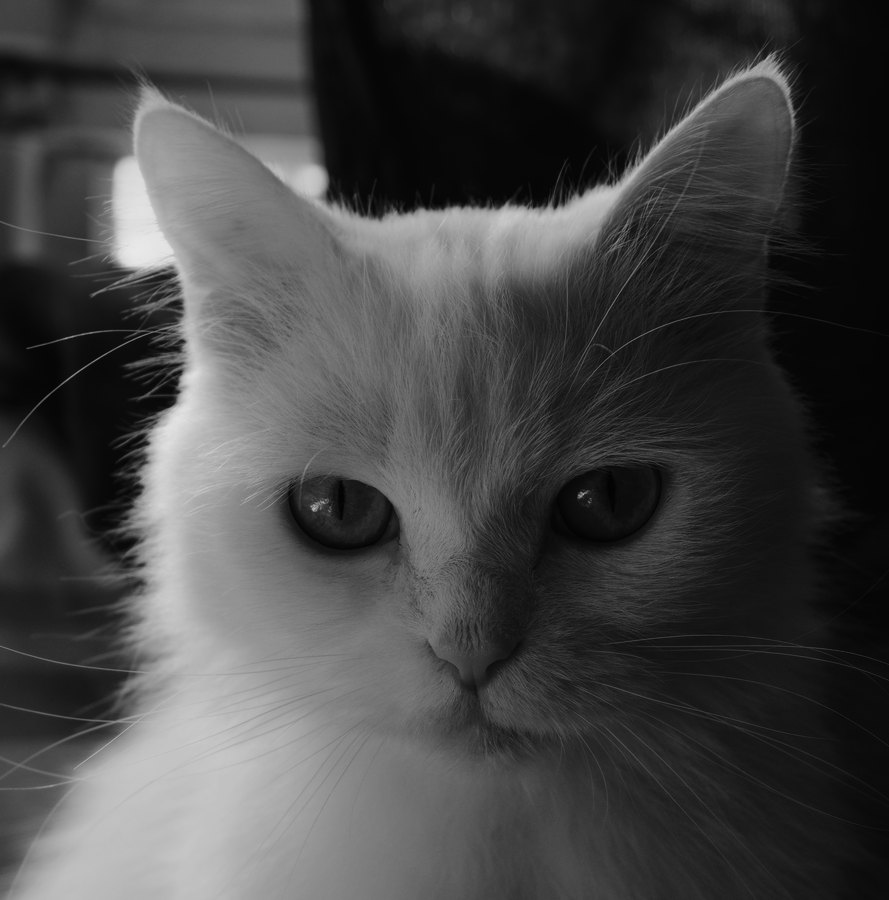
Polaroid 672
A medium-speed peel-apart black and white film.
1 rendering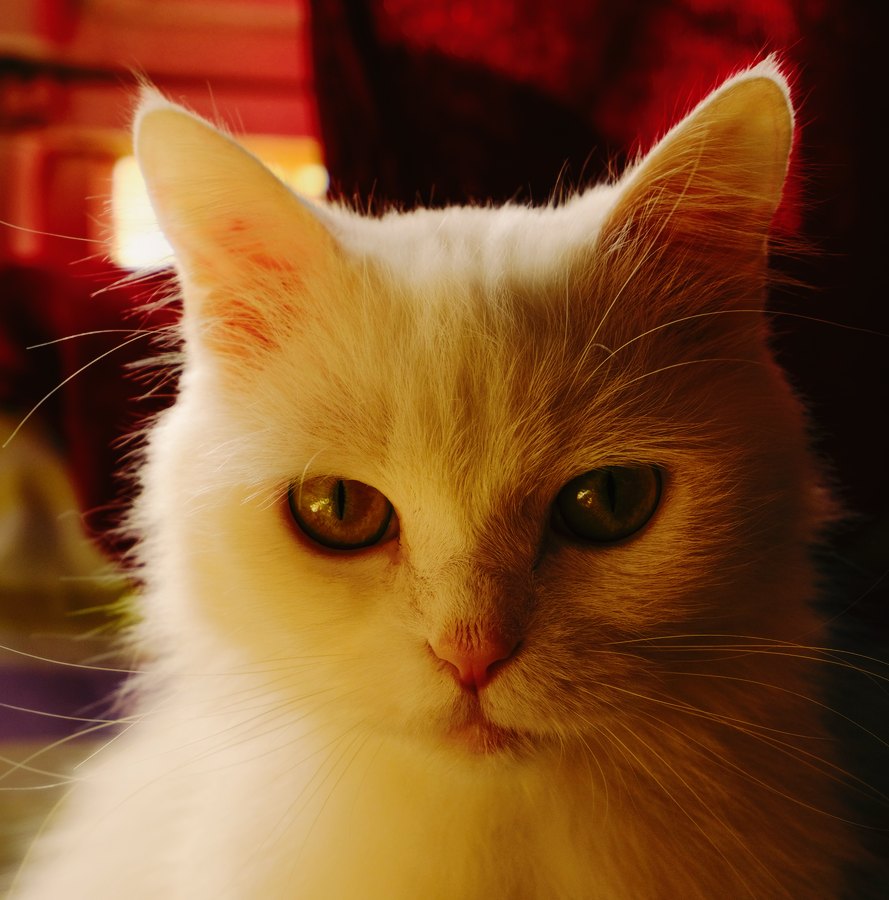
Polaroid 690
A higher-saturation peel-apart colour film — 669 with more punch.
16 renderings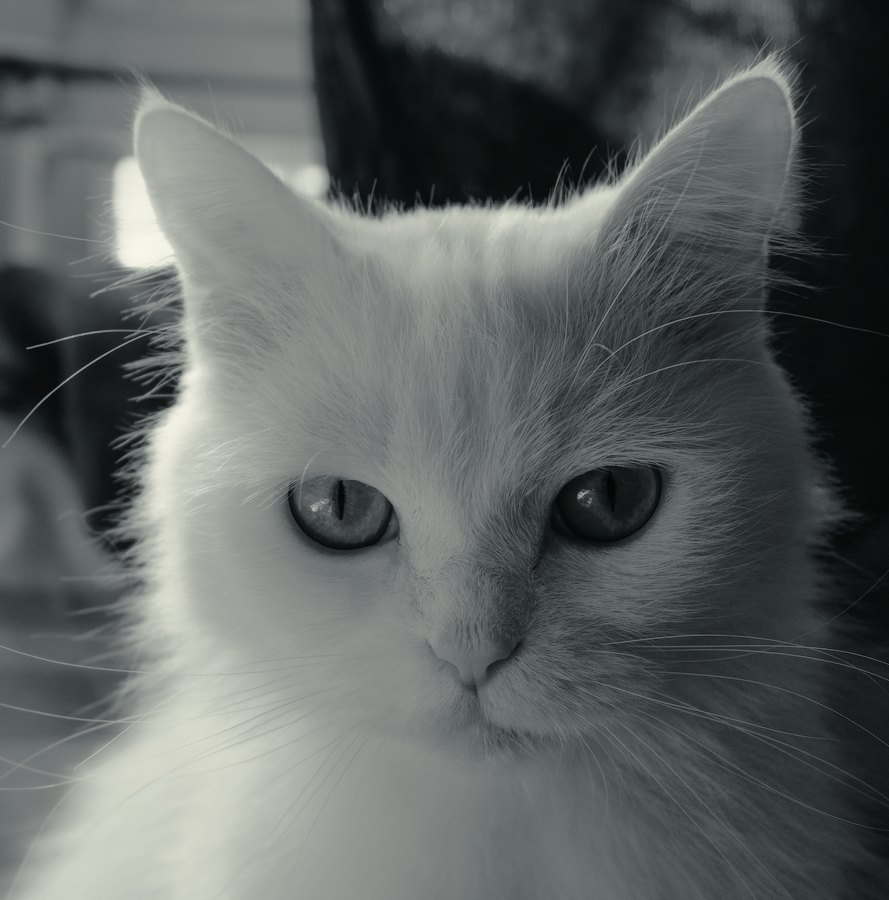
Polaroid Px-100Uv+
A monochrome-leaning Impossible emulsion with a strong tonal cast.
12 renderings
Polaroid Px-680
The 600-format Impossible colour film — slightly more contrast and colour than PX-70.
16 renderings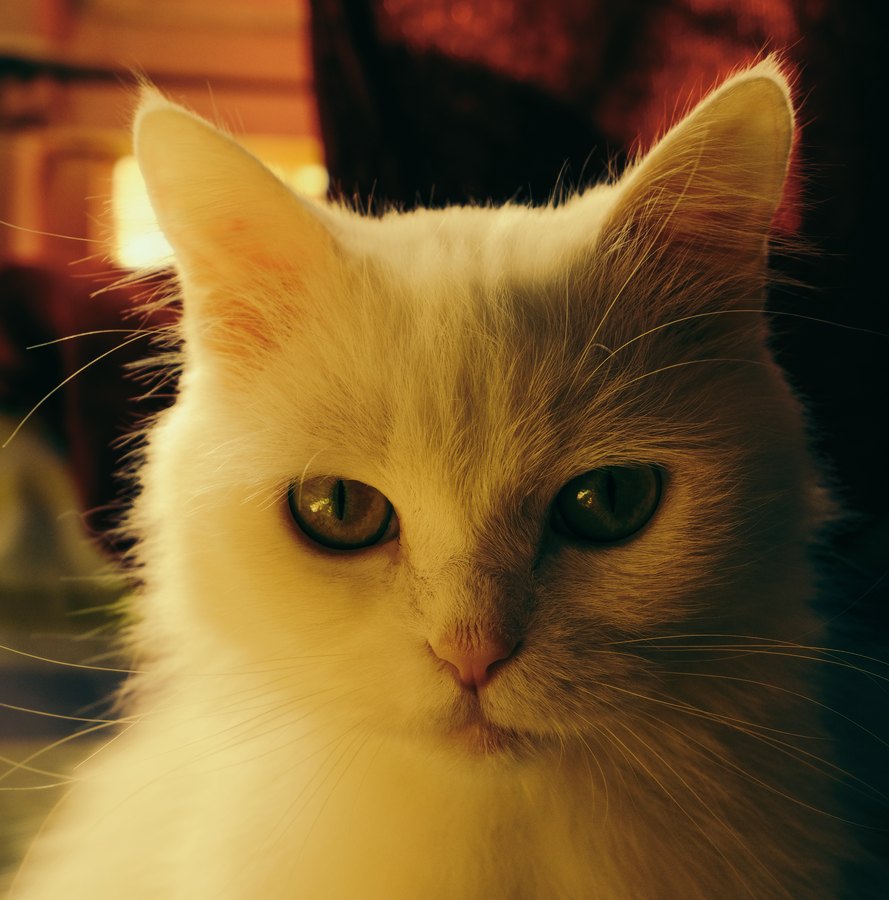
Polaroid Px-70
The first Impossible Project colour film for SX-70 cameras — soft, pastel and unpredictable.
16 renderings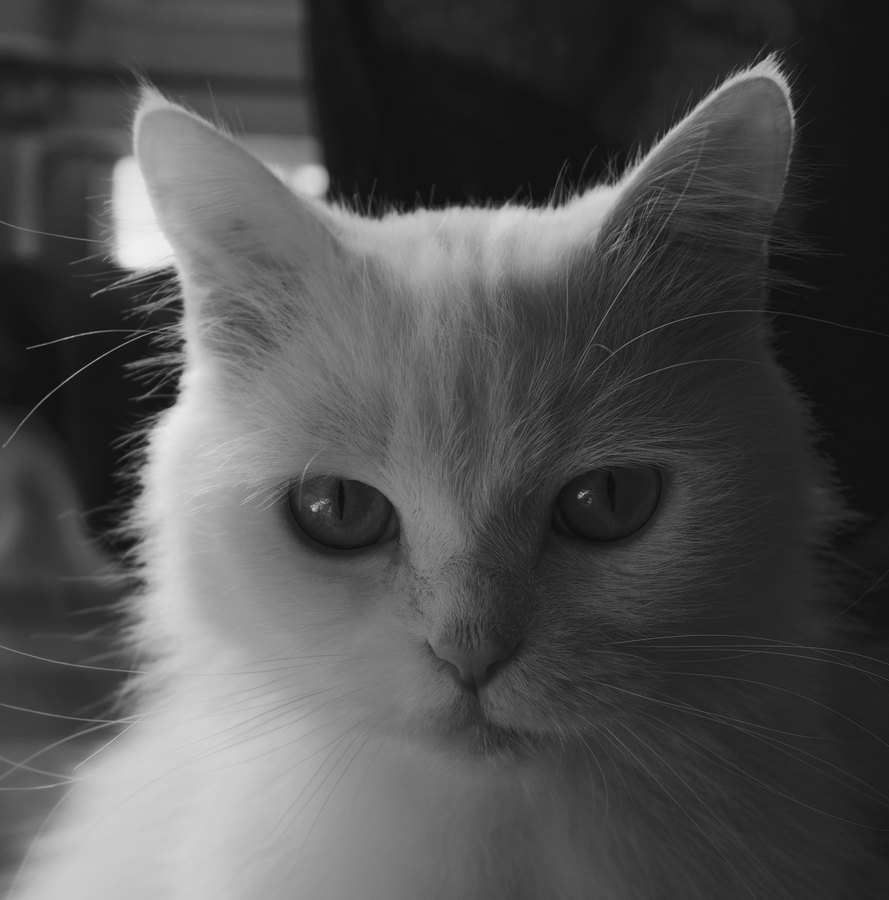
Rollei Retro 100 Tonal
A long-scale film built for gradation rather than punch.
1 rendering