Colour Negative Film
The most forgiving colour films: wide latitude, soft highlights, and the palettes behind most portrait and wedding photography.
Colour negative film records a complementary-coloured image that is inverted at scanning or printing. That extra step is where the latitude comes from — negative film tolerates several stops of overexposure while holding highlight detail, which is why portrait and wedding photographers overexpose it deliberately. The two dominant families pull in opposite directions: Kodak warms skin and rolls highlights gently, while Fujifilm cools shadows and pushes greens.
26 stocks in this category
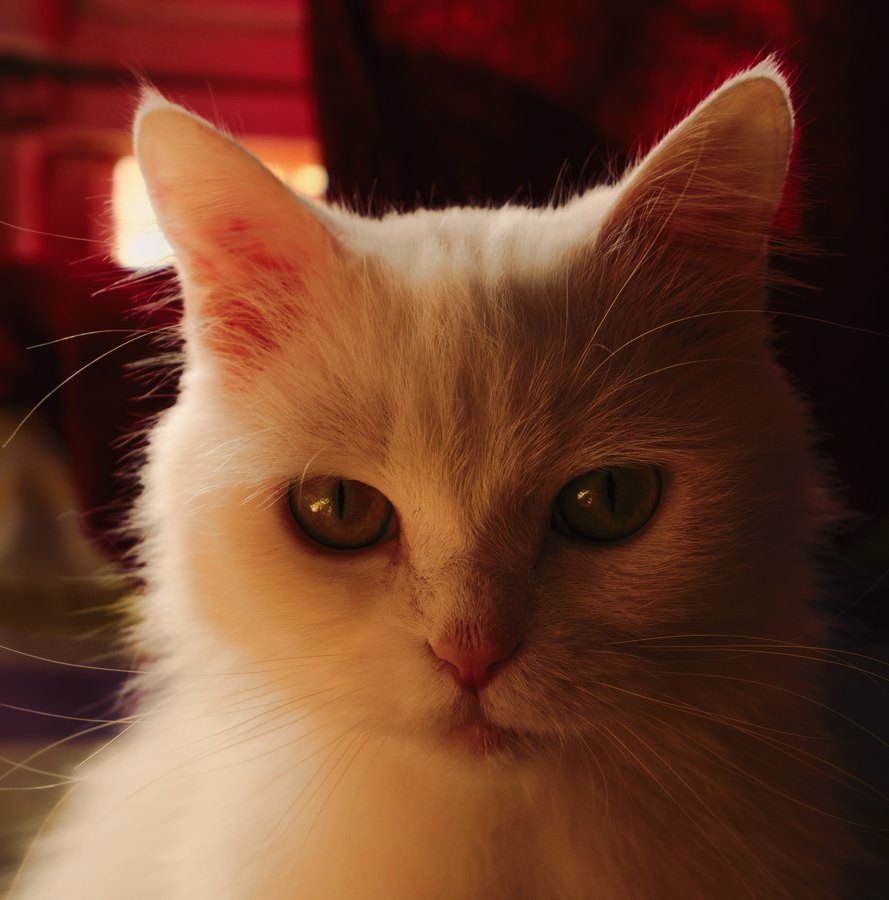
Agfa Ultra Color 100
Agfa's extreme-saturation negative film — louder than most slide films.
1 rendering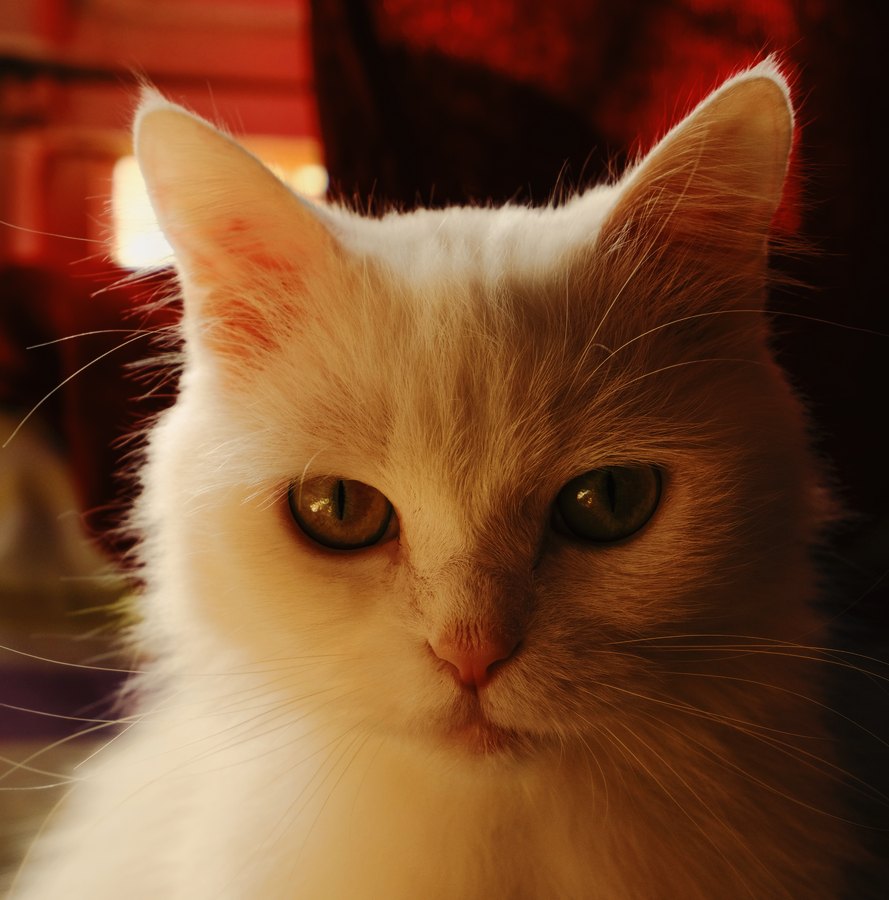
Agfa Vista 200
The budget European consumer film with unmistakably strong reds and magentas.
1 rendering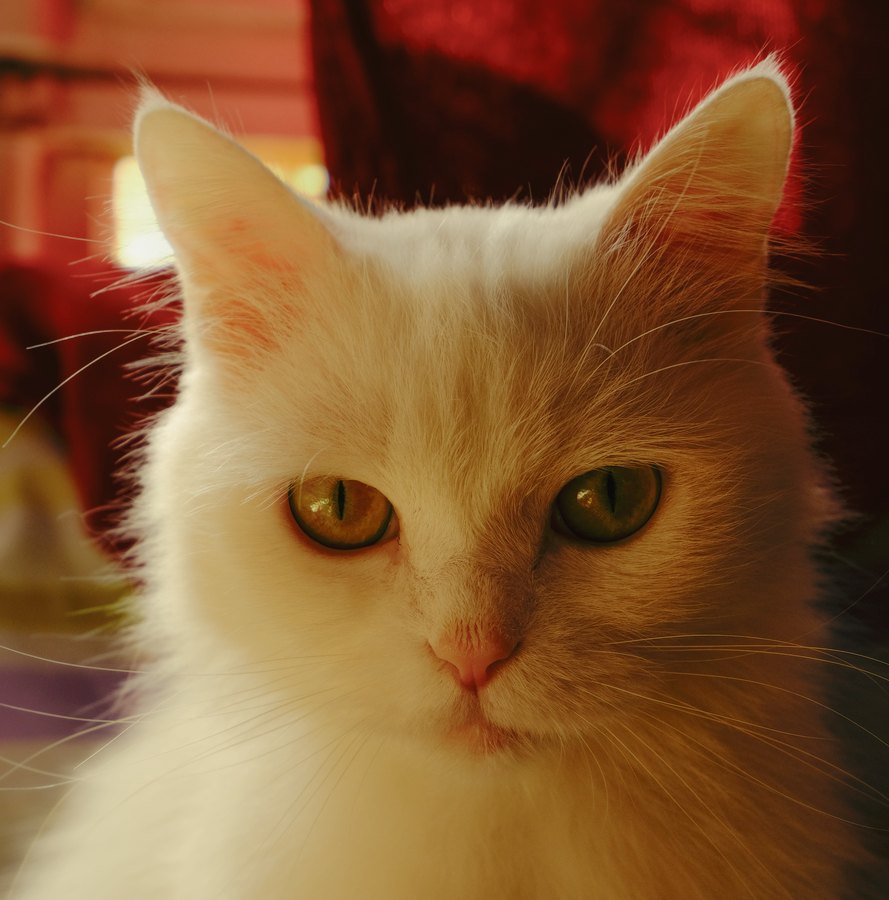
Fuji 160C
Fuji's neutral 160-speed professional negative — cooler and flatter than Kodak's equivalent.
4 renderings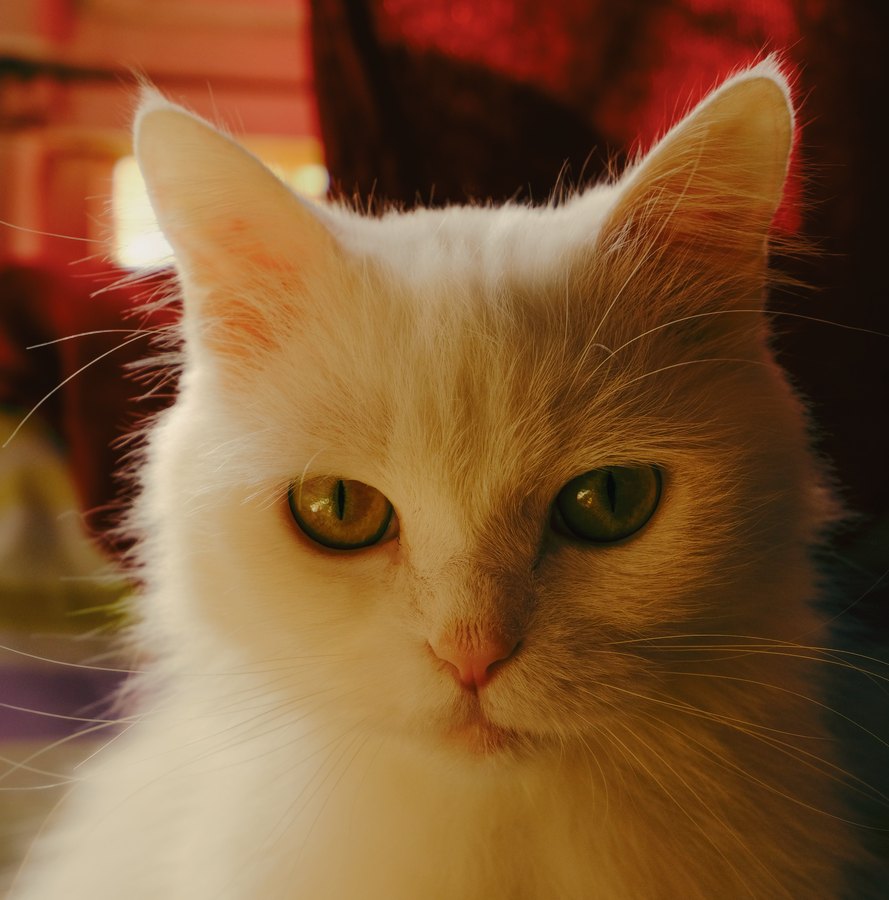
Fuji 400H
The discontinued cult wedding film: cool, minty greens and pale, airy skin.
4 renderings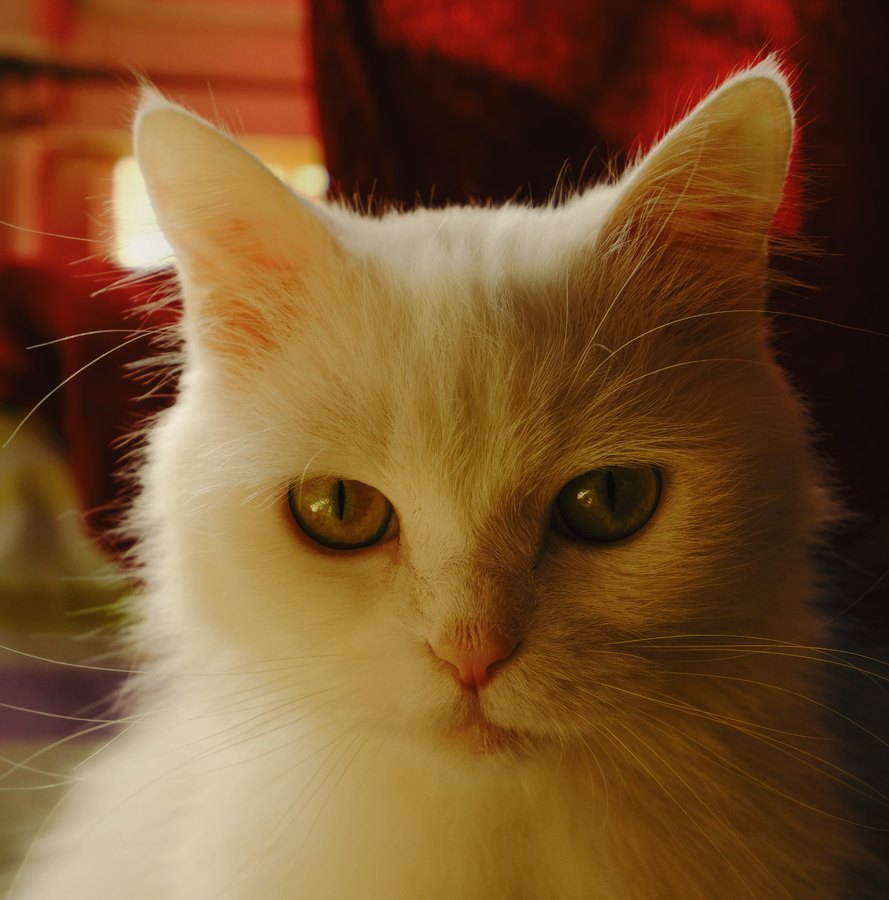
Fuji 800Z
Fuji's fast professional negative: cool, grainy and surprisingly clean in mixed light.
4 renderings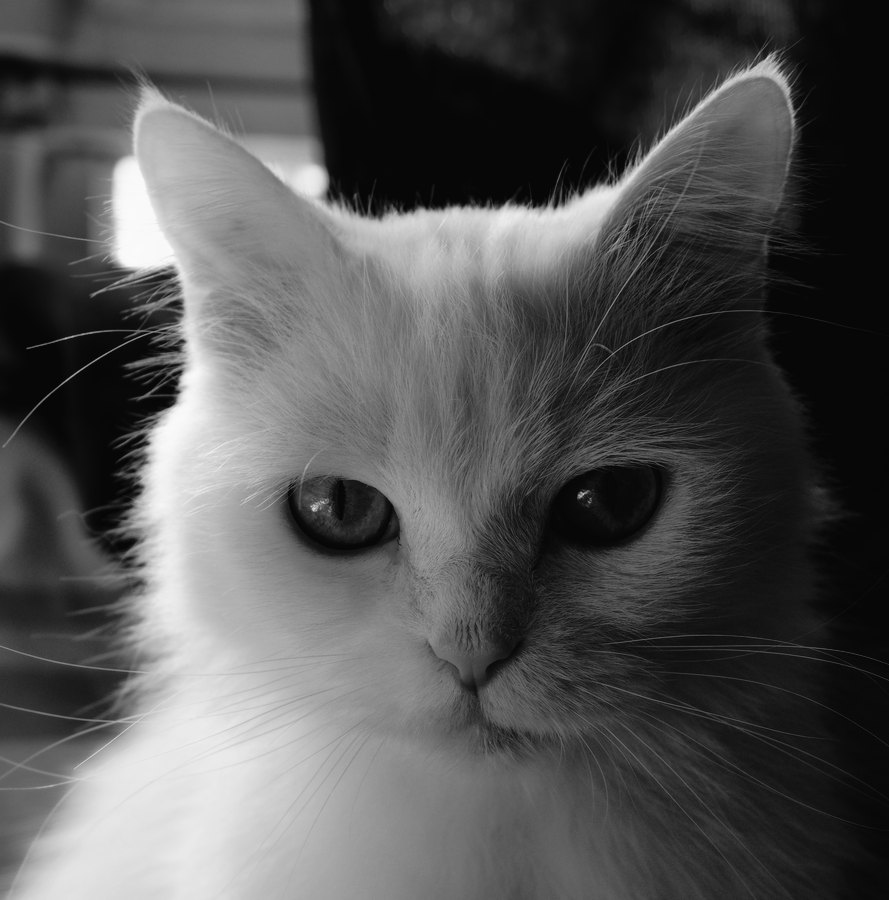
Fuji Neopan 1600
A fast Japanese emulsion with tighter grain than its western rivals.
5 renderings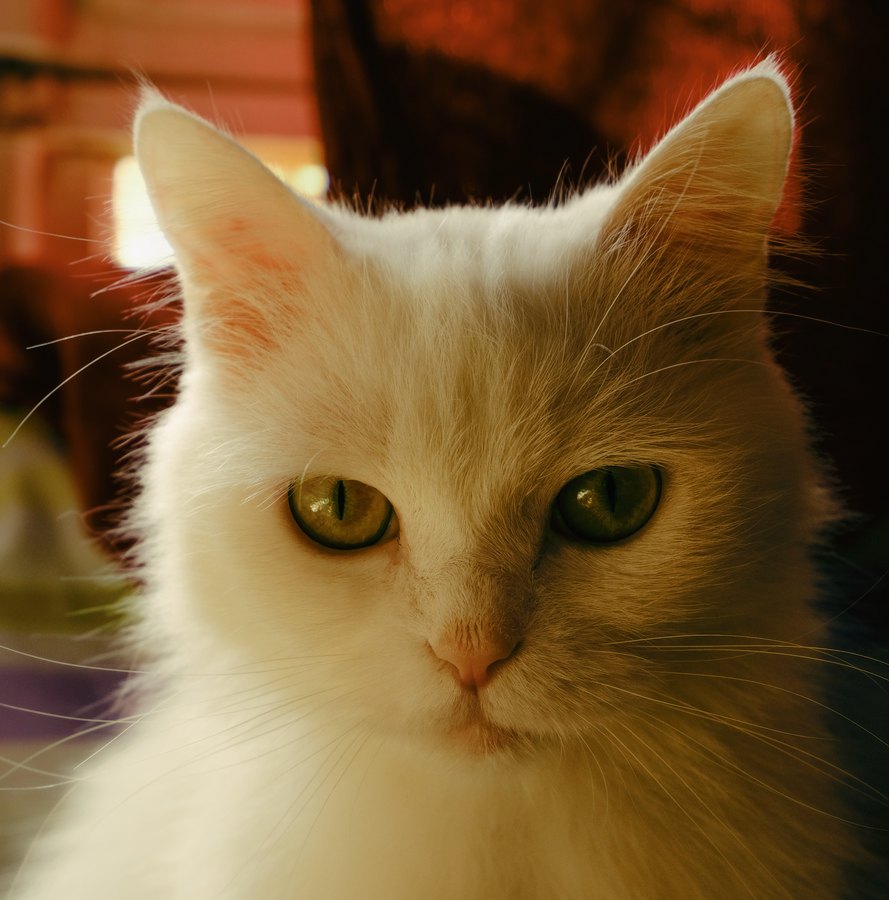
Fuji Superia 100
The slowest Superia: the same green-forward palette with finer grain and more contrast.
4 renderings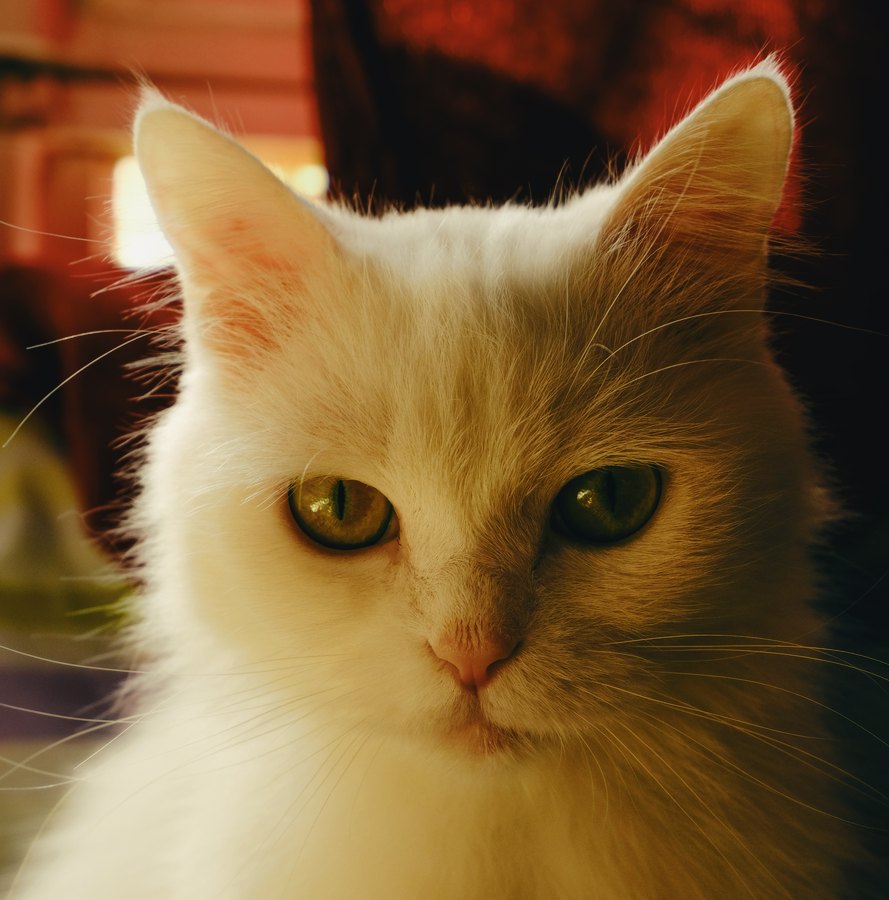
Fuji Superia 1600
Very fast consumer negative — heavy grain, compressed colour, strong night-time character.
4 renderings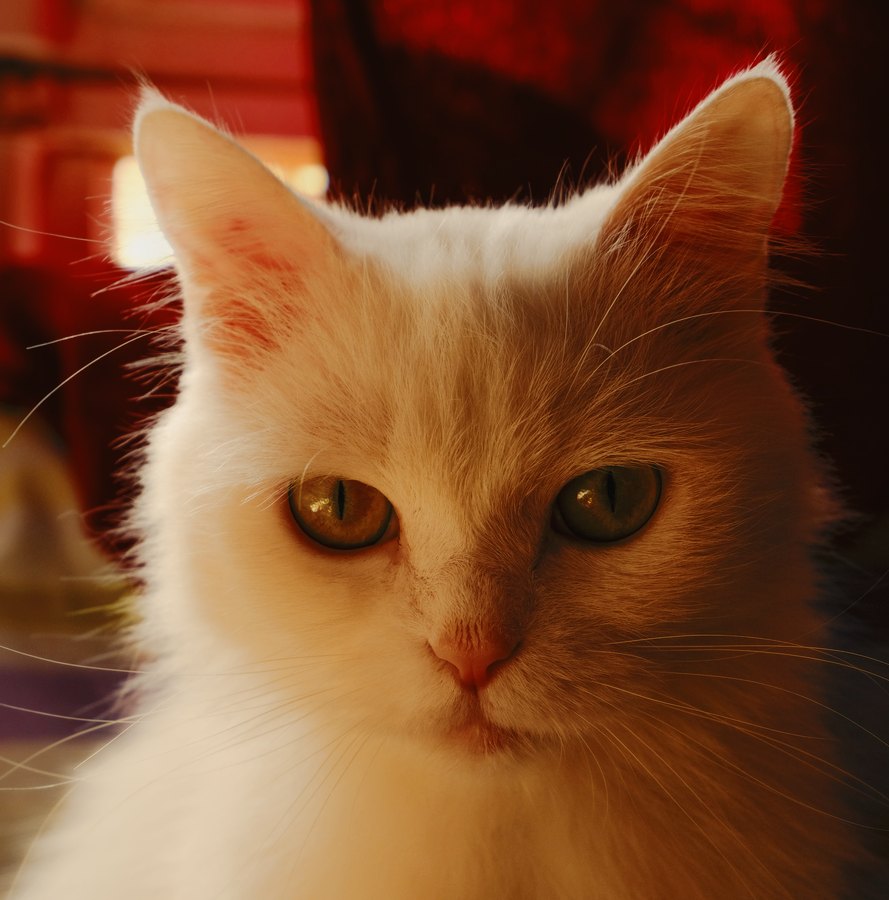
Fuji Superia 200
The everyday drugstore Fuji look: bright greens, cool shadows, cheerful contrast.
1 rendering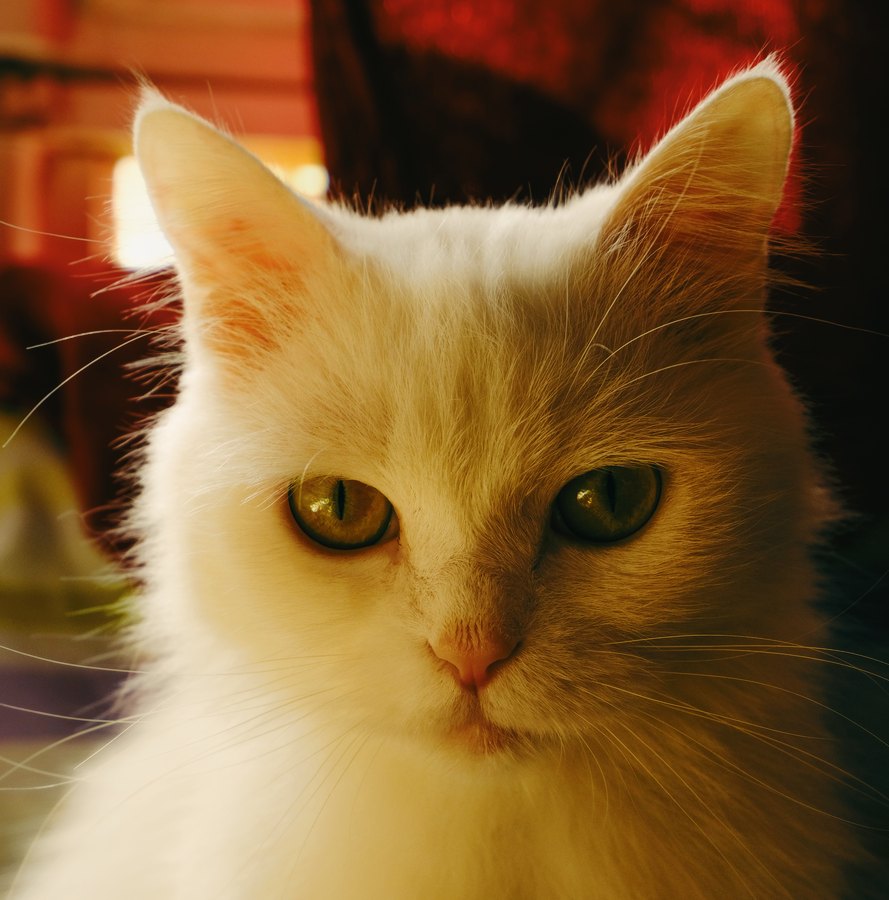
Fuji Superia 400
The workhorse consumer Superia — green-forward colour with usable grain at ISO 400.
4 renderings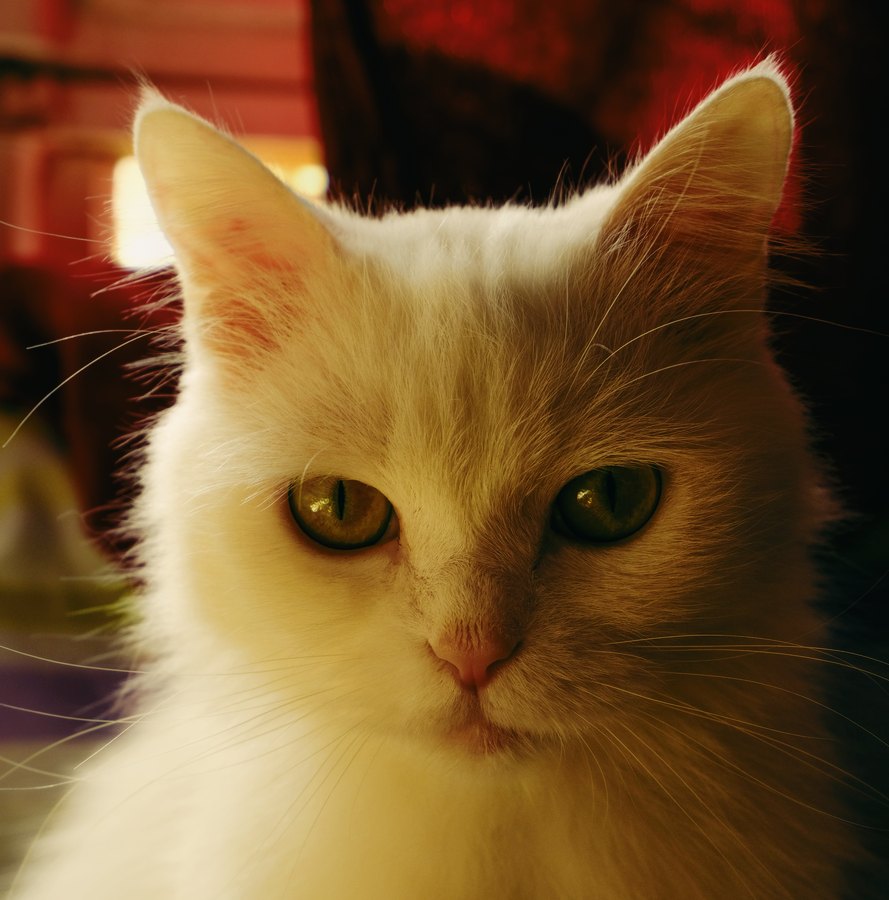
Fuji Superia 800
Fast consumer Superia: grainier, contrastier, still unmistakably green-cool.
4 renderings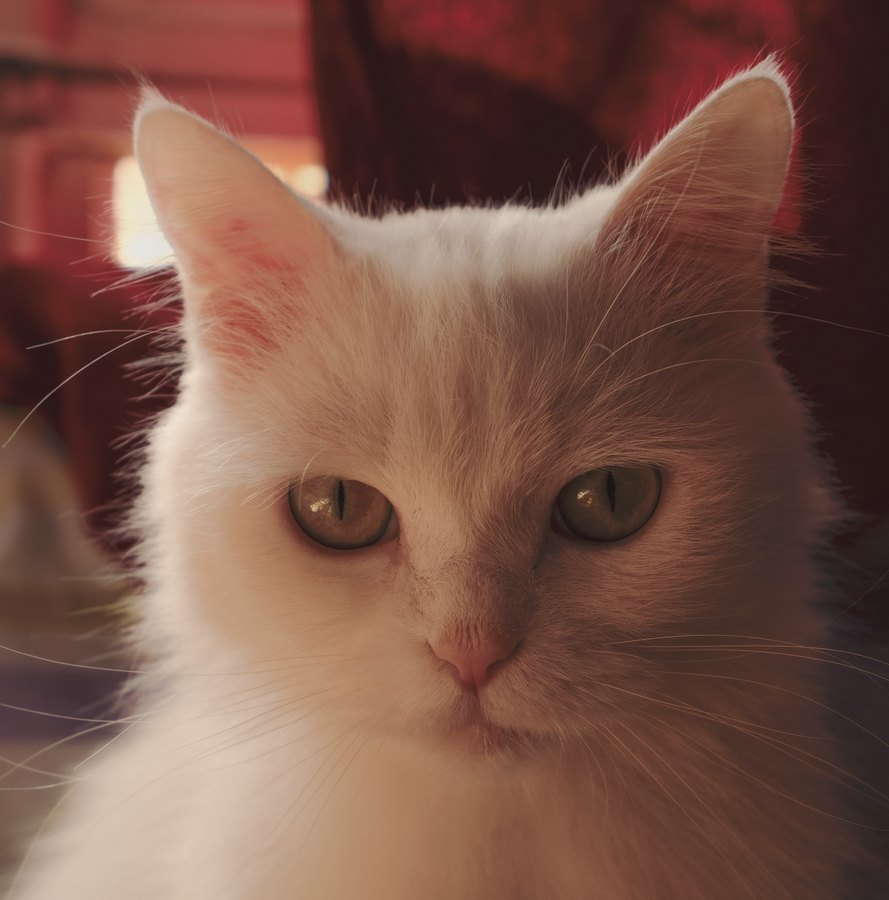
Fuji Superia HG 1600
An earlier high-speed Fuji emulsion with coarser grain and cooler colour.
1 rendering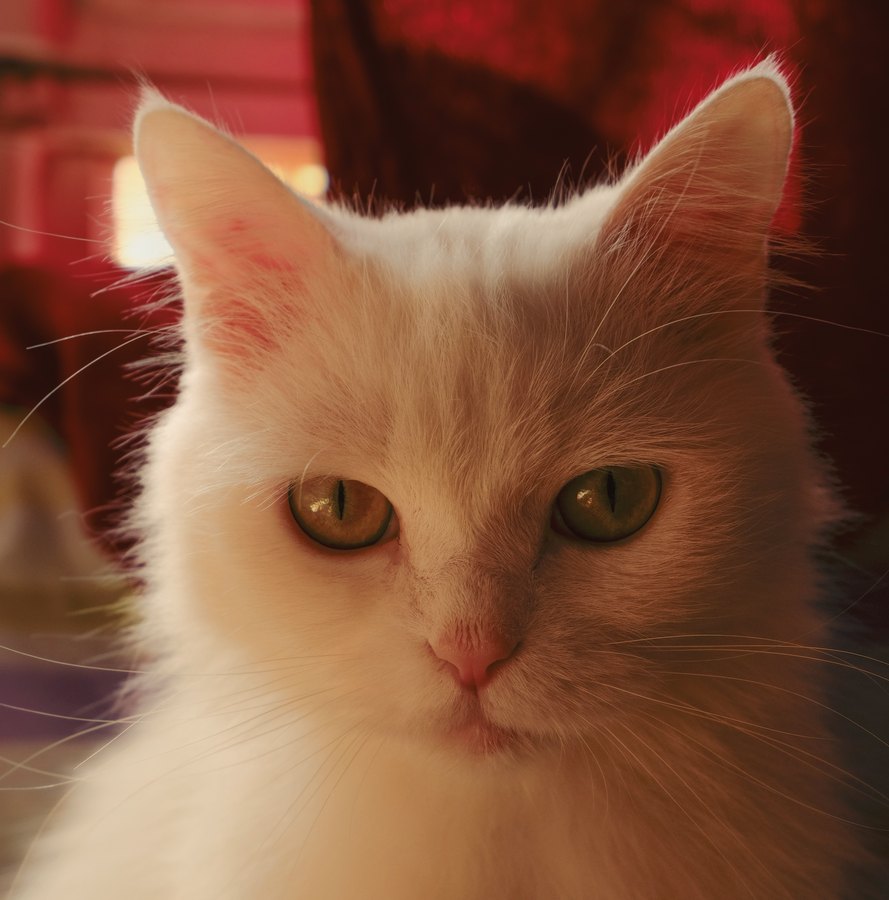
Fuji Superia Reala 100
Fuji's fourth-layer emulsion, built for accurate colour under mixed and fluorescent light.
1 rendering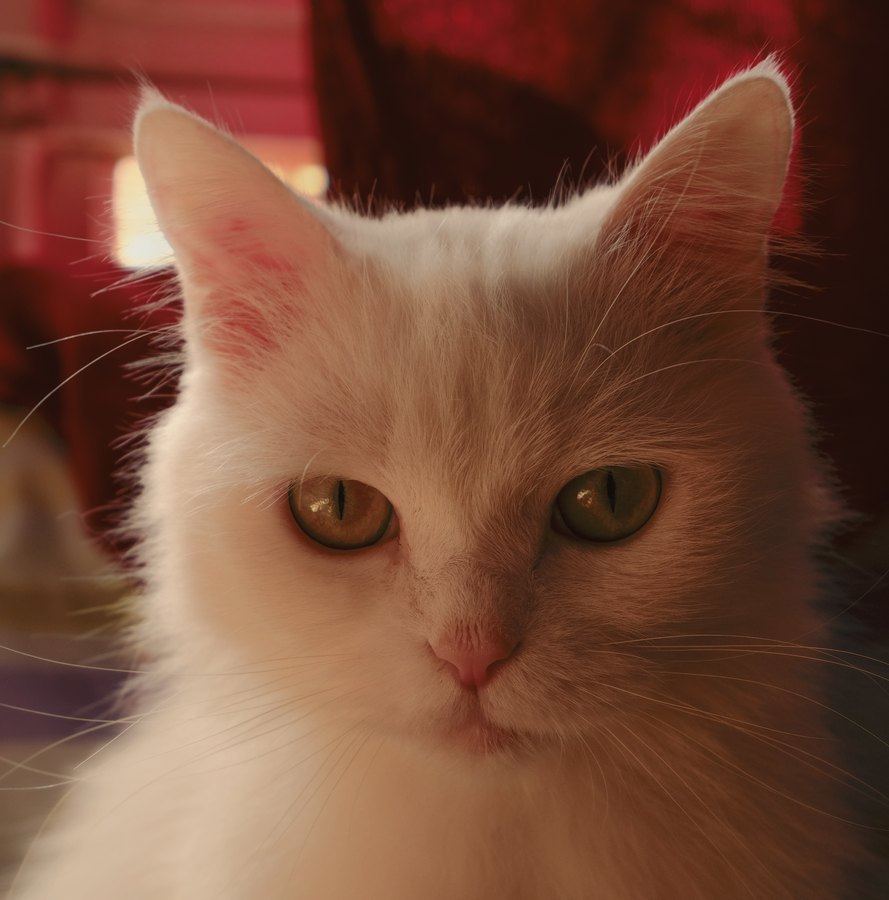
Fuji Superia X-Tra 800
The surviving fast Superia, built around Fuji's fourth-layer technology.
1 rendering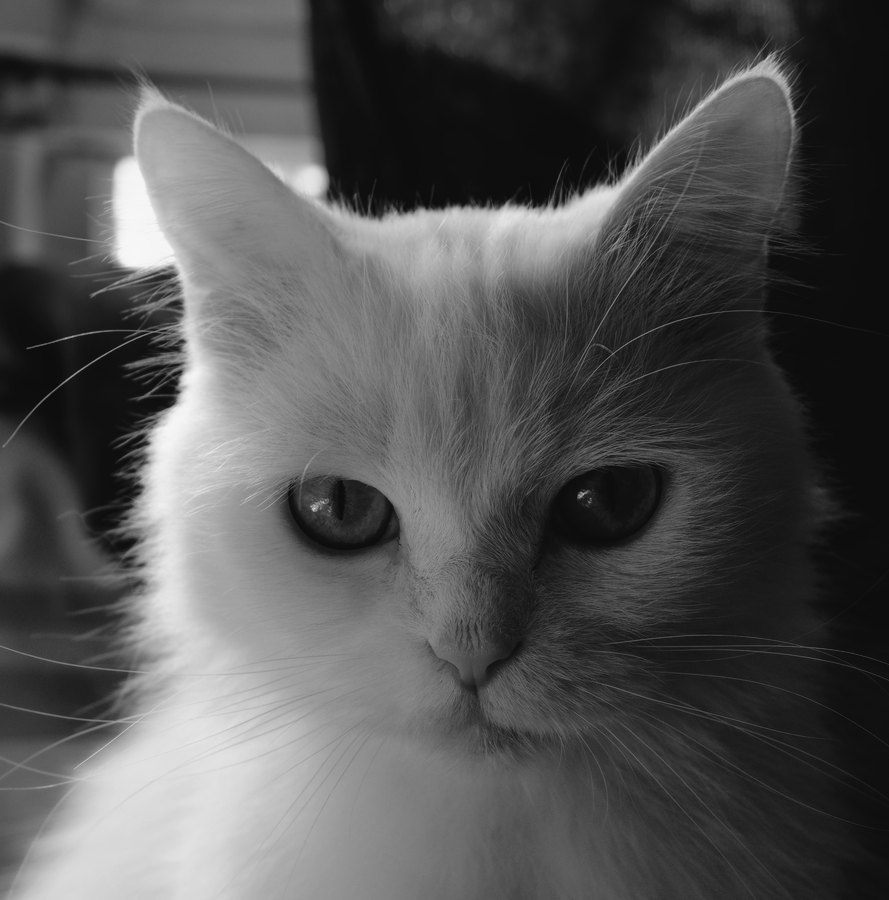
Ilford Delta 3200
The classic fast black and white film — enormous grain, unmistakable atmosphere.
5 renderings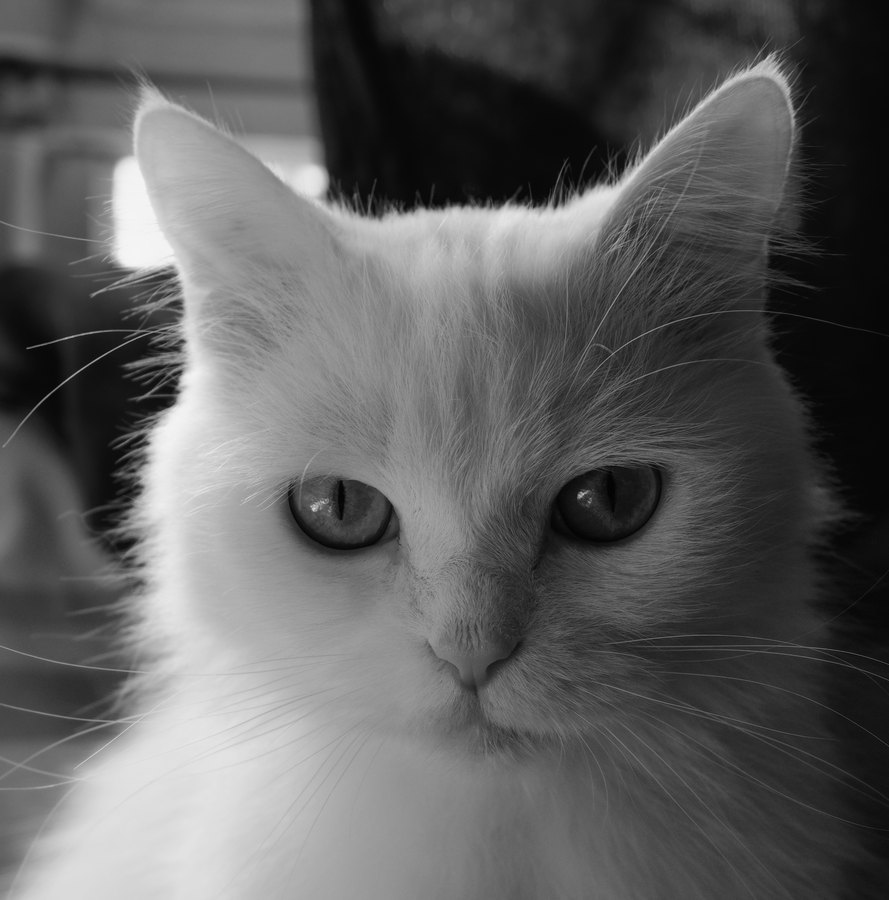
Ilford HP5 Plus 400
Tri-X's British counterpart — flatter, softer and easier to print.
5 renderings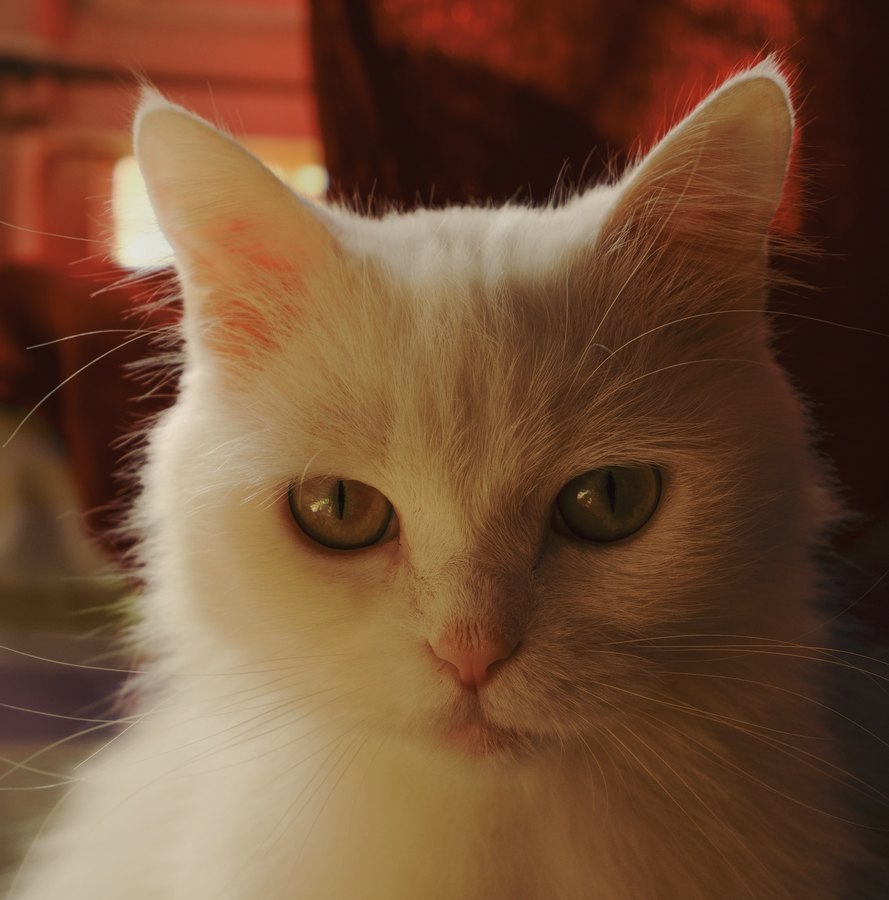
Kodak Ektar 100
The most saturated colour negative film Kodak makes — slide-film punch with negative latitude.
1 rendering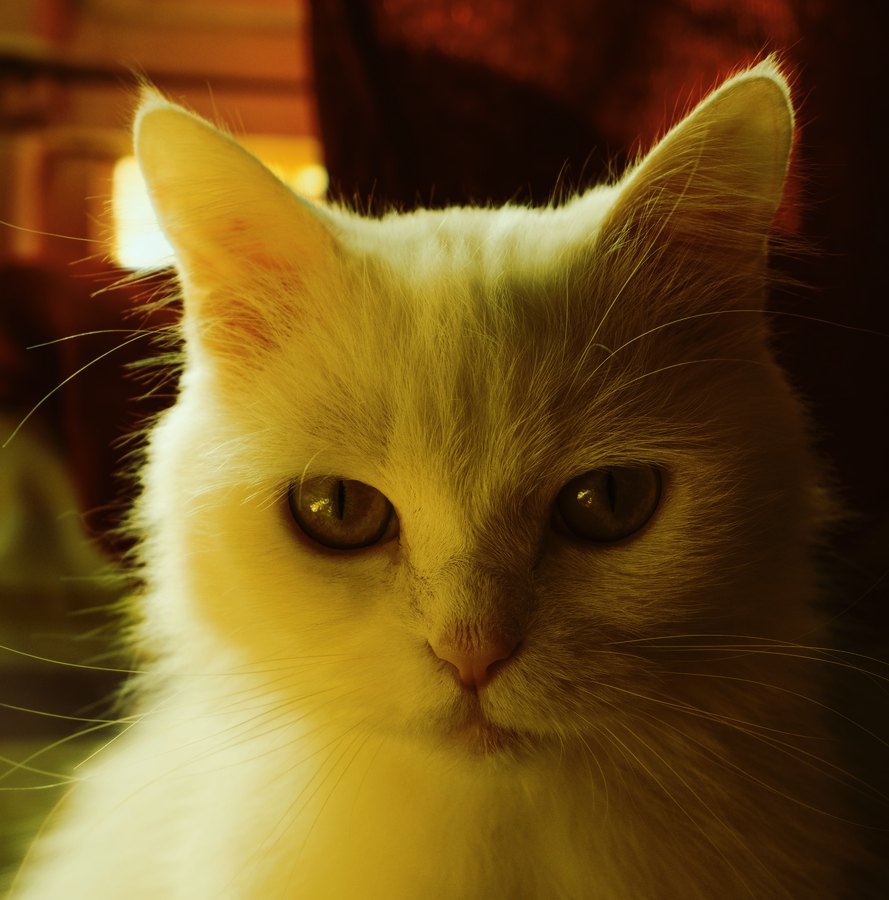
Kodak Elite 100 X-Pro
Elite Chrome cross-processed in C-41 — shifted, clashing colour by design.
1 rendering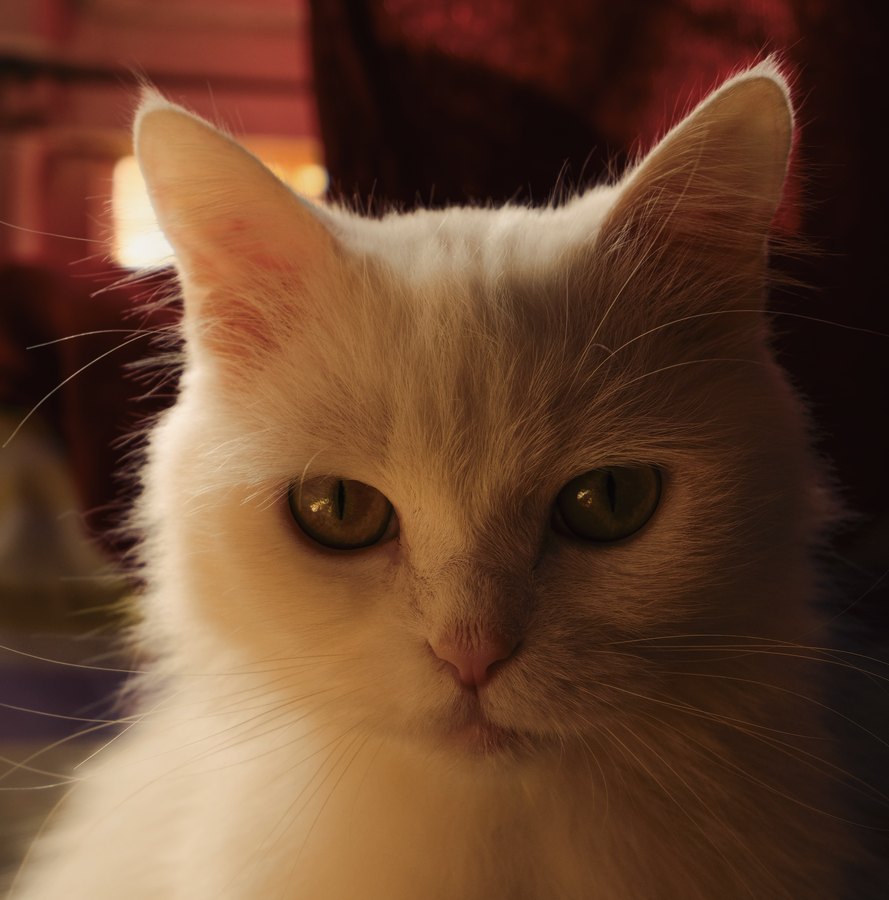
Kodak Elite Color 200
Kodak's saturated consumer negative — Gold's warmth with the contrast pushed up.
1 rendering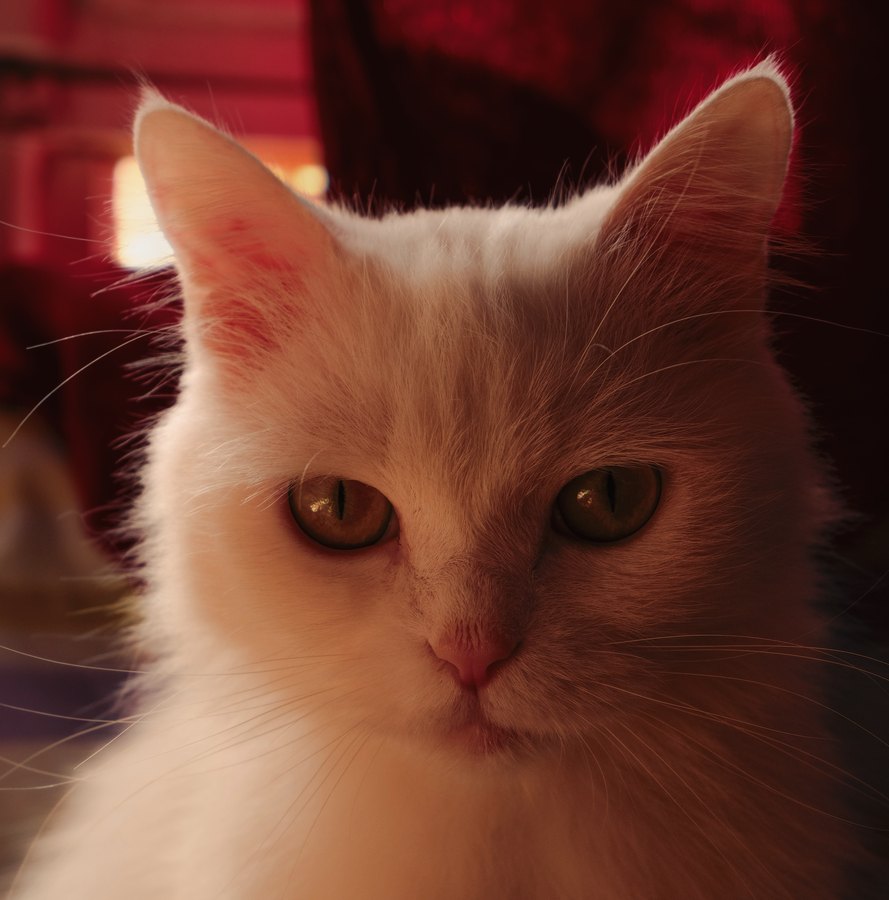
Kodak Elite Color 400
The 400-speed Elite Color: same golden warmth, more grain and contrast.
1 rendering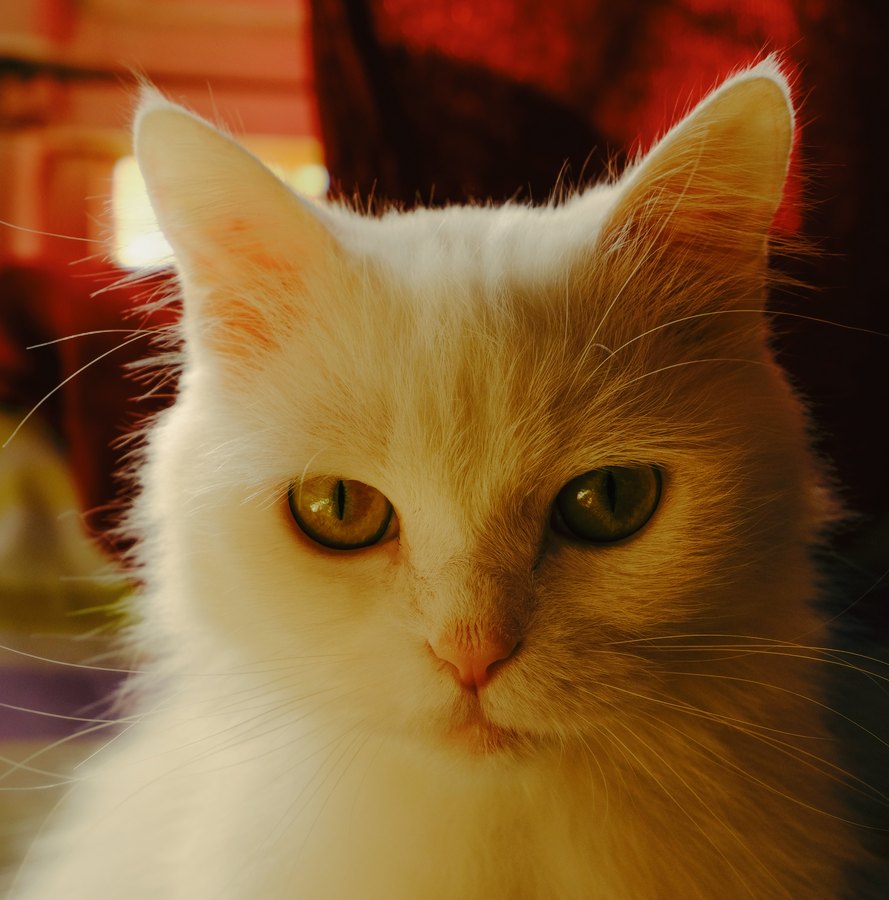
Kodak Portra 160
The finest-grained Portra: cooler, flatter and more neutral than its 400-speed sibling.
14 renderings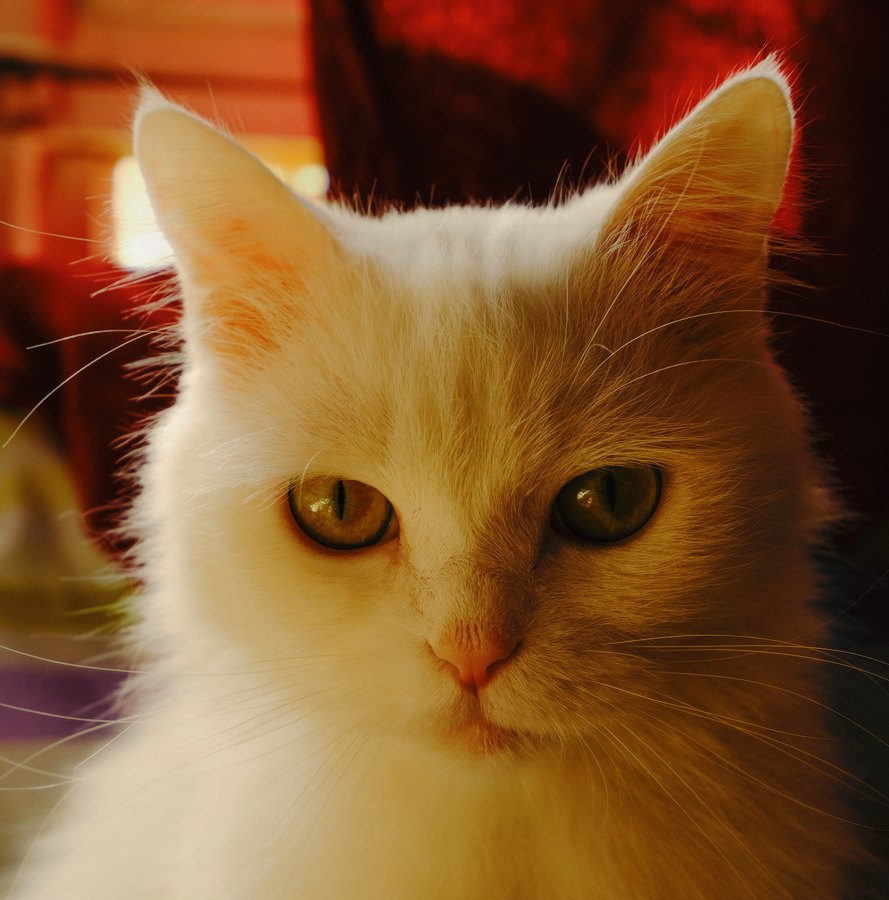
Kodak Portra 400
The default modern portrait film: warm, forgiving skin tones and a very long highlight roll-off.
16 renderings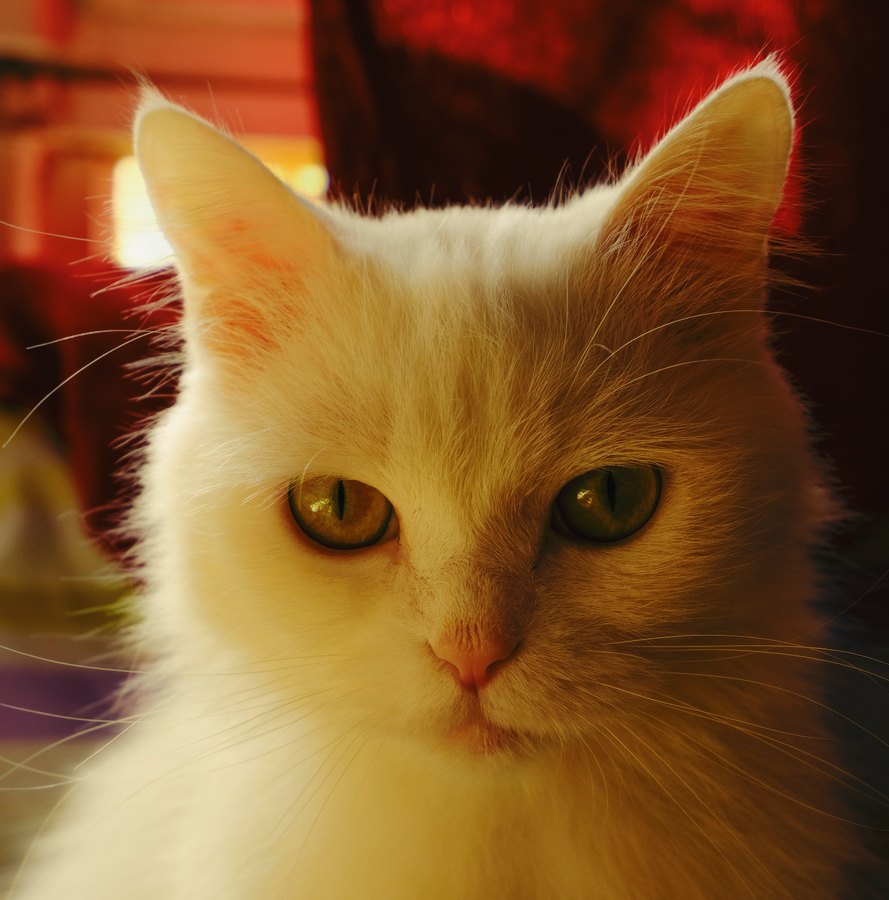
Kodak Portra 800
Portra colour rendering at ISO 800, with more contrast and visible grain.
5 renderings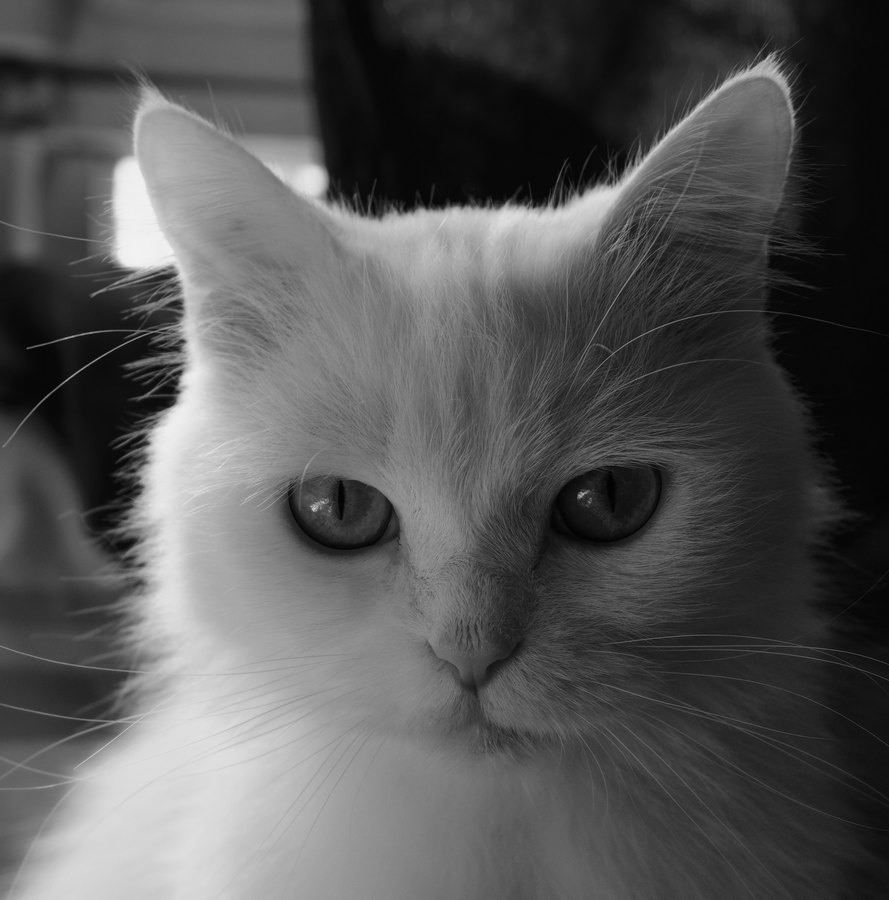
Kodak T-Max 3200
The fast T-grain film — big grain, low contrast, built for the dark.
6 renderings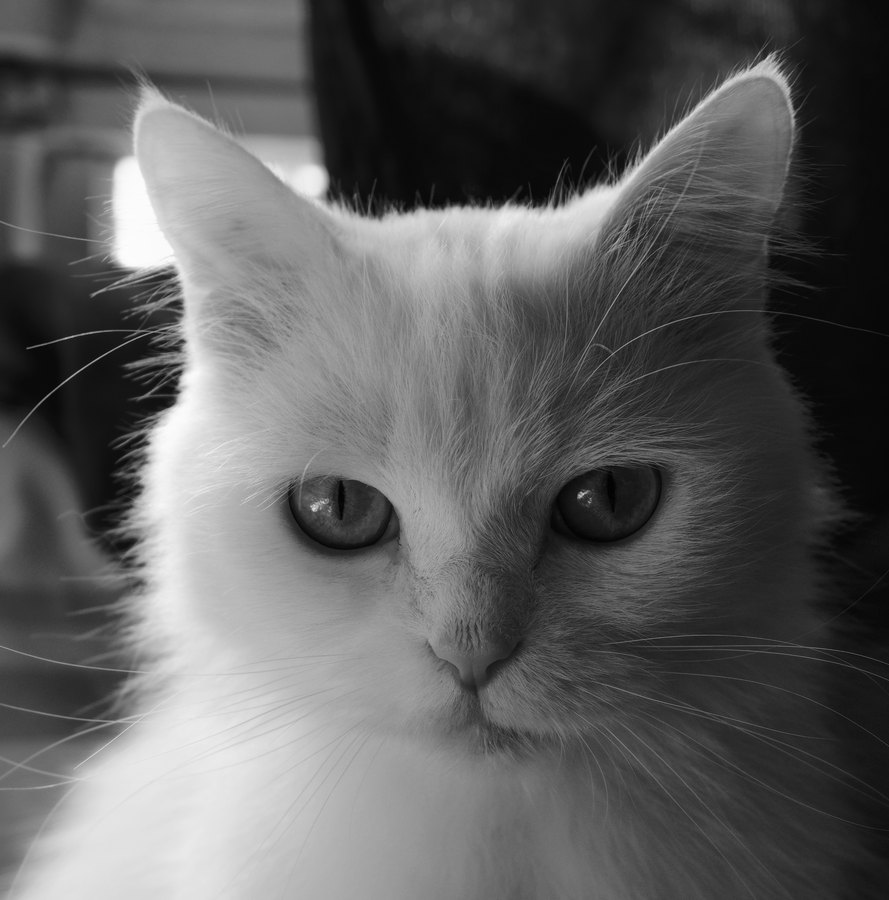
Kodak Tri-X 400
The definitive photojournalism film: gritty grain, deep blacks, enormous latitude.
6 renderings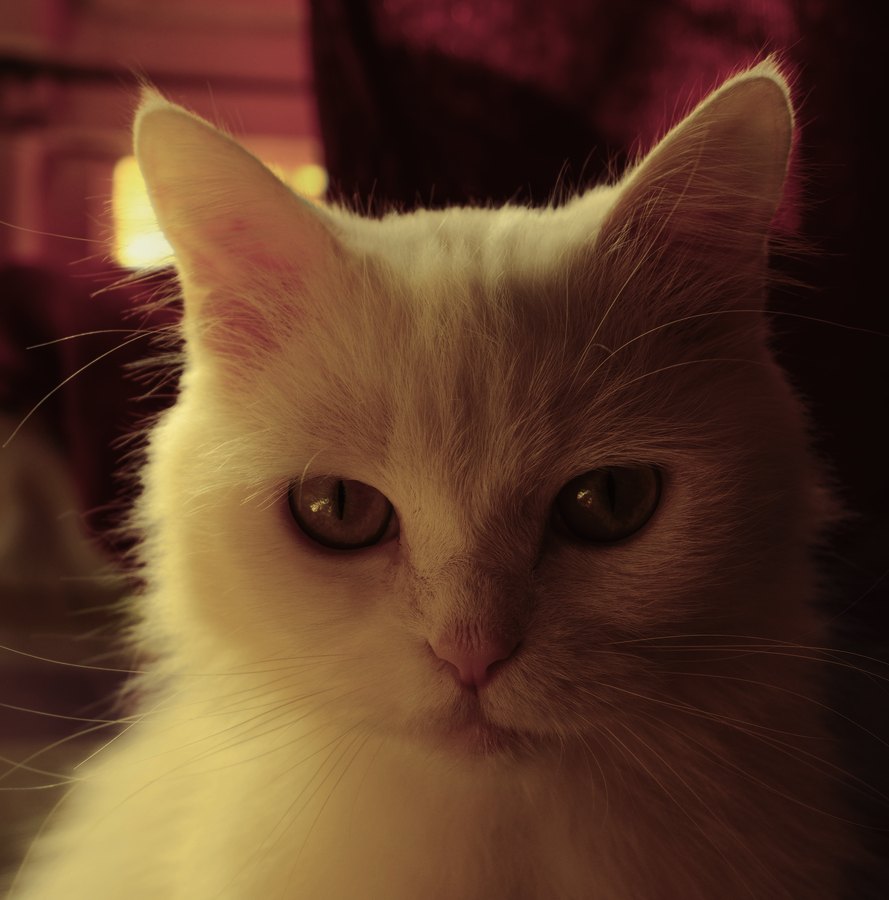
Lomography Redscale 100
Film loaded backwards so light hits the base first — everything turns red and orange.
1 rendering